The ground war in Ukraine has effectively ground to a halt. If you’ve been paying attention to the front lines over the last few months, you already know the story: miles of trenches, vast minefields, and drones making it nearly impossible for either side to pull off a traditional armored breakthrough. But while the physical frontline remains static, the nature of the conflict is shifting. It’s moving upward.
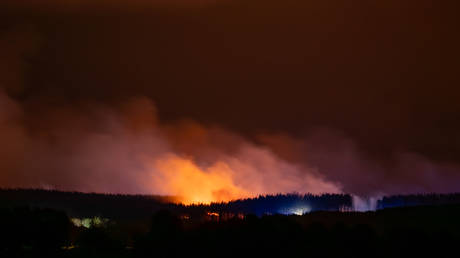
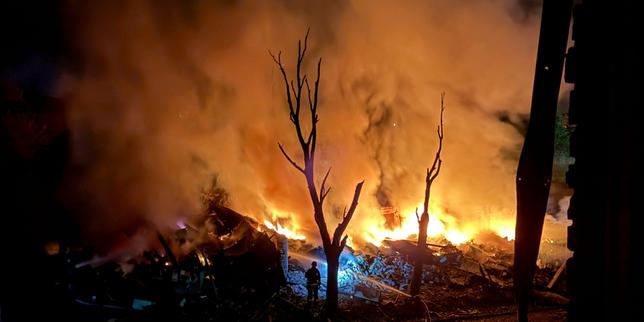
Overnight on August 17, 2026, the sky above both Ukraine and Russia turned into a battlefield. Russian strikes hammered energy infrastructure across the south, while Ukraine responded with one of its most expansive aerial campaigns of the war to date. This isn't just a tactical escalation. It’s a transition into a long-range war of attrition where the goal isn't necessarily capturing a specific village, but breaking the opponent’s ability to function behind the front. You might also find this related story useful: Why The Tupac Shakur Murder Trial Is About More Than Just A Famous Rapper.
The New Aerial Reality
For the past week, Russian forces have relentlessly targeted facilities belonging to Ukraine’s Naftogaz Group. We’re talking about thirteen separate strikes in seven days. Moscow is clearly betting on the same strategy they’ve used for four years: weaponizing winter. By targeting the power grid and energy production, they hope to collapse civil society long before the first snow falls.
But here’s what’s changed: Ukraine isn't just taking the punches anymore. As extensively documented in latest coverage by The Washington Post, the results are worth noting.
Kyiv’s response has been aggressive and, frankly, daring. By hitting deep inside Russia—targeting logistics hubs like the massive Wildberries warehouses and critical missile fuel production facilities in the Rostov region—Ukraine is making the war felt in the Russian heartland. When you see reports of "massive" drone swarms hitting Russian territory, you’re seeing a deliberate attempt to degrade the Russian defense industrial base. It’s a direct response to a simple reality: if the Russian military can’t get the parts it needs to keep its missiles flying, those missiles stop hitting Ukrainian cities.
Why the South Is Burning
The focus on the south isn’t random. Cities like Kherson are living through what some are calling "human safaris." Constant drone hunting of civilians isn't just about terror; it’s about control. By making life in liberated areas hellish, Russian forces are trying to create a depopulated buffer zone. They want to turn the left bank of the Dnipro into a space where they can operate without eyes on them, shielding their supply lines from Ukrainian artillery.
The humanitarian cost here is staggering. In places like Oleshky, people are trapped in the crossfire, with basic goods becoming rare and medical care failing. This is the part of the war that doesn't make it into the flashy headlines about missile counts. It’s the slow, daily erosion of human life in the occupied zones.
The Technological Arms Race
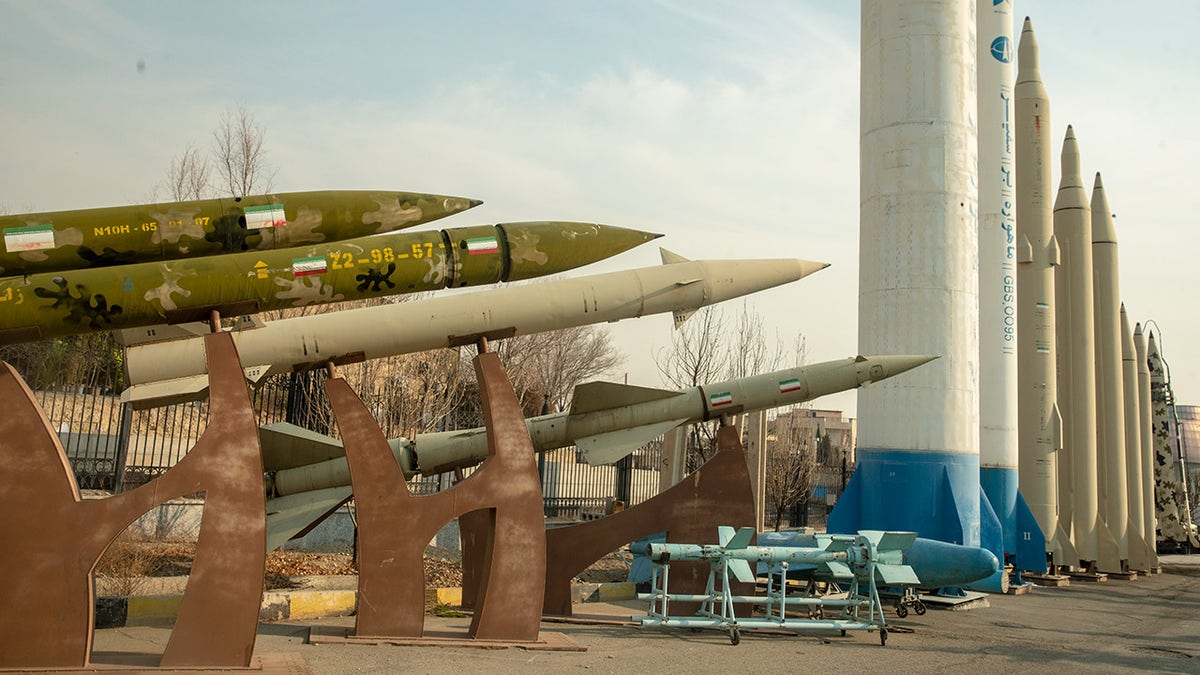
If you want to understand where this is going, look at the weaponry. Ukraine is currently in a desperate race to develop its own ballistic missiles. They’ve relied on Western-supplied gear and long-range drones for years, but those supplies are finite. Developing a domestic ballistic missile capacity—which experts estimate could be months away—would completely change the calculus. It would give Kyiv the ability to strike targets deep in Russia without waiting for permission or hardware from Washington or Brussels.
Russia, meanwhile, is getting more North Korean missiles and pushing its own innovation cycle, leaning heavily on glide bombs to destroy Ukrainian ground lines of communication.
What Actually Happens Next
Don’t expect a sudden peace treaty or a dramatic "victory" on the map by Christmas. The war has settled into a grinding, high-tech slog.
- Energy Independence Matters: Ukraine’s ability to maintain power through the next six months will be the most important factor in its resilience. Every strike on a substation is a strike against the national will to fight.
- The Drone War Intensifies: We are seeing the largest drone swarms in history. This will keep expanding. If you are in a conflict zone, the air is no longer a safe space; it’s a permanent threat.
- Logistics are the Target: The attacks on Wildberries and other logistics hubs are the new front line. Destroying the supply chain is faster and cheaper than trying to push back a dug-in infantry line with tanks.
The war is no longer just about who holds which trench. It’s about who can maintain their economy, their power grid, and their defense production while the other side tries to burn it all down from thousands of miles away. It’s ugly, it’s expensive, and unfortunately, it’s only getting louder.
Stay aware of the energy situation, as that’s the true barometer for how this winter will play out. The front lines might be stuck, but the skies are very much in motion.