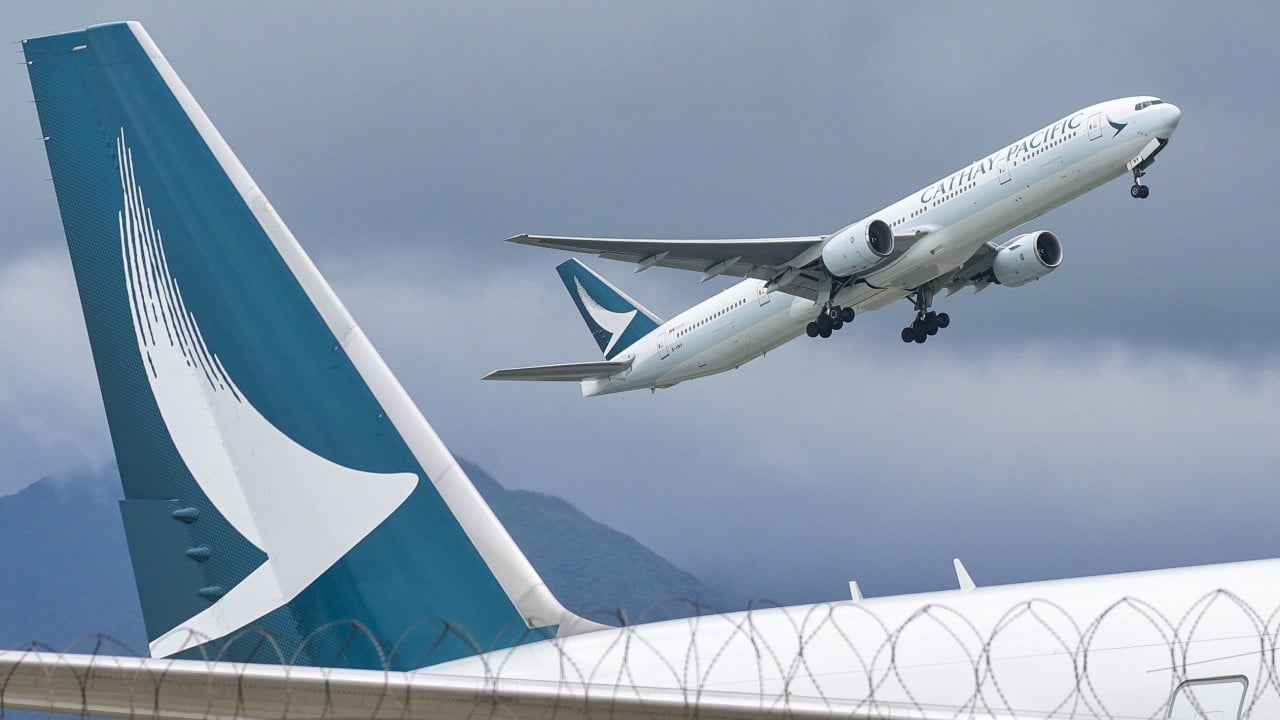
Planes carry more than just luggage across the Caribbean Sea. They carry centuries of shared history, culture, and migration. When Caribbean Airlines posted a public greeting wishing communities a "Shubh Divali" across Trinidad, Guyana, and Suriname, it wasn't just corporate PR. It was an acknowledgment of a massive demographic bridge linking South Asia to South America and the Caribbean islands.
If you've never looked closely at the cultural map of the region, the deep-rooted presence of Hindu traditions in these specific countries might surprise you. Let's look at why a simple airline greeting carries so much weight and what it reveals about the vibrant diaspora living across Trinidad and Tobago, Guyana, and Suriname.
The Historical Roots Behind the Indo-Caribbean Connection
You can't understand modern Diwali celebrations in Port of Spain or Georgetown without looking back at the 19th century. Following the abolition of slavery across the British Empire in 1833, colonial authorities faced a massive labor shortage in lucrative sugarcane fields.
To fill this vacuum, they turned to the Indian subcontinent. Between 1838 and 1917, hundreds of thousands of indentured laborers boarded ships bound for the Caribbean. They brought meager personal belongings, but they carried their religion, folklore, and ritual practices tightly packed in their memories.
They weren't treated fairly, and life on the plantations was brutal. Yet, these communities preserved their heritage against steep odds. They built temples, kept oral traditions alive, and passed down the observance of Diwali from one generation to the next.
Demographics of Diwali Across Trinidad, Guyana, and Suriname
Today, the numbers tell a striking story of endurance and cultural retention. In Guyana, Indo-Guyanese communities make up roughly 40% to 44% of the entire national population, accounting for hundreds of thousands of citizens. In Suriname, people of Indian descent—known locally as Indo-Surinamese—comprise nearly 27% of the populace. Trinidad and Tobago also boasts a massive, culturally influential Indo-Trinidadian population that shapes everything from local cuisine to national holidays.
Because of this demographic weight, Diwali isn't a niche cultural observance in these countries. It's a massive national event. In Trinidad and Tobago, for instance, Divali Nagar serves as a massive cultural festival drawing tens of thousands of visitors. Streets flicker with thousands of handmade clay diyas, and national leaders routinely join public celebrations.
Why Corporate Greetings Matter for Regional Aviation
A state-owned carrier like Caribbean Airlines isn't just selling tickets between Piarco International Airport and regional hubs. They're serving a tight-knit network of families who routinely fly back and forth for weddings, funerals, and religious festivals.
During peak festival seasons like Diwali, flight paths between Trinidad, Guyana, and North American hubs swell with travelers visiting relatives. Multinational brands and regional corporations that ignore these cultural touchpoints miss a vital chance to connect with their customer base. Acknowledging "Shubh Divali" publicly shows an understanding of what moves these communities emotionally and geographically.
Cultural preservation in the diaspora takes active effort. Airlines and transit networks form the physical links that keep extended families whole across thousands of miles of ocean and jungle. Recognizing these traditions validates the unique identity of the Indo-Caribbean population on a global stage.
Take a moment to look at how traditions survive across generations and oceans. The clay lamps lit in Georgetown and Chaguanas burn with the same symbolic intent as those lit in Delhi, proving that culture travels much farther than anyone expects.