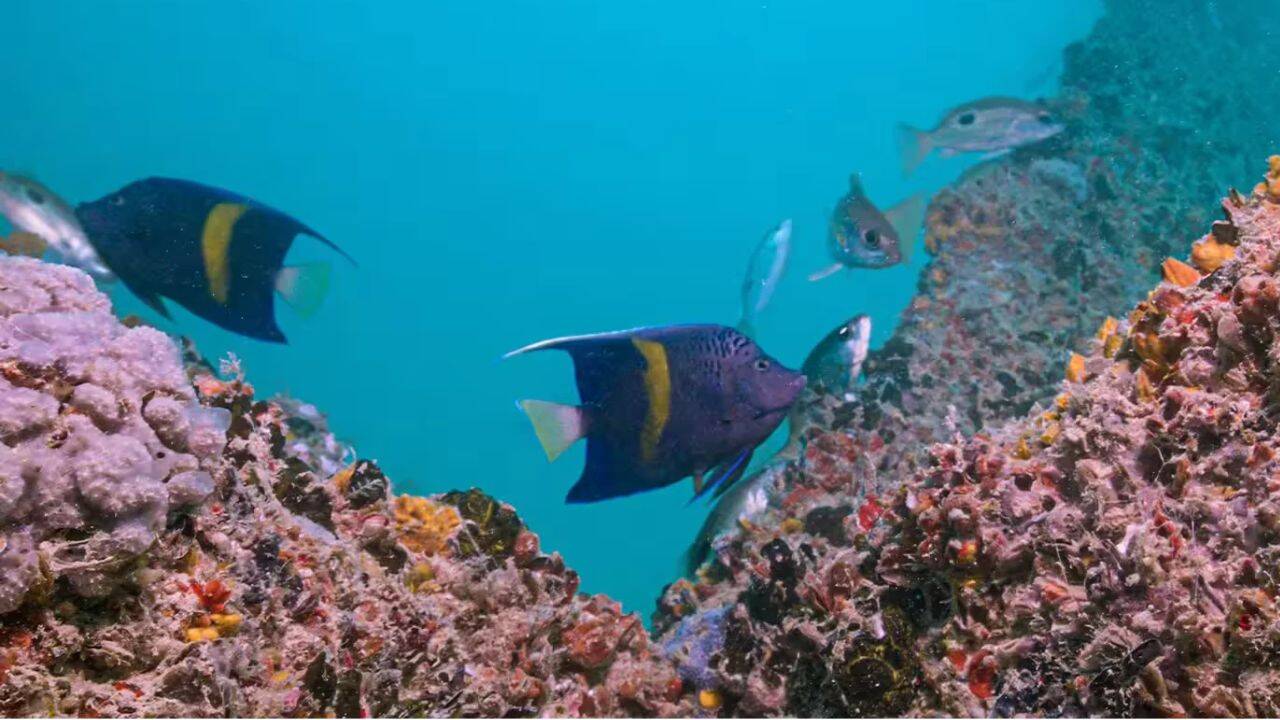
When you think of Dubai, pristine coral reefs probably don't cross your mind. You picture towering glass skyscrapers, sprawling luxury resorts, and high-end shopping malls built over reclaimed desert land. Yet, tucked away in the man-made saltwater lagoons of a luxury hotel, a quiet marine revolution is happening. Scientists and conservationists are growing thousands of coral fragments in artificial nurseries before transplanting them back into the harsh waters of the Arabian Gulf.
It sounds counterintuitive. Why would a concrete-heavy metropolis known for aggressive coastal development suddenly become an incubator for fragile marine life? The answer lies in survival, adaptation, and an urgent race against climate change.
The Unlikely Nursery Behind the Jumeirah Coral Project
The project started as a pilot initiative at the Jumeirah Al Naseem hotel, initially designed as a safe haven for rehabilitating sea turtles. Over time, marine experts realized these controlled, man-made saltwater lagoons offered something unique. They provided direct seawater flow from the open Gulf combined with protected, calm conditions, creating an ideal laboratory for coral growth.
This effort now falls under the broader umbrella of the Dubai Reef project, backed by the Dubai Department of Economy and Tourism. Far from being a mere PR stunt for luxury hospitality, the numbers tell a real story. The nursery has successfully produced more than 2,500 coral fragments, with over 300 of those robust pieces already moved back to the open sea.
Why the Arabian Gulf is a Living Laboratory for Climate Resilience
Corals are notoriously sensitive creatures. They demand specific water temperatures, precise salinity levels, and stable environments. When oceans warm up even slightly, corals bleach and die off, turning vibrant underwater cities into desolate ghost towns.
Paradoxically, the Arabian Gulf features some of the warmest and saltiest marine waters on earth. Standard reef species would perish here instantly. However, marine biologists noticed something fascinating: the corals that manage to survive naturally in the Gulf have developed an extraordinary tolerance to extreme heat and high salinity. They are essentially climate-hardened survivors.
Studying and multiplying these specific resilient strains gives scientists a fighting chance against global bleaching events. If corals can adapt to the extreme conditions of the Gulf, they might hold the genetic blueprint for saving reefs worldwide.
Inside the Micro-Fragmentation Technique
Growing coral isn't just a matter of dropping seeds in the ocean and waiting. The process used in Dubai relies on micro-fragmentation. Experts take healthy parent colonies, cut them into tiny pieces, and mount them onto specially prepared concrete structures.
These concrete blocks aren't random, either. They're cast from locally sourced limestone cement, which naturally provides calcium carbonate—the exact chemical building block corals use to form their stony skeletons.
Inside the hotel lagoons, these mounted fragments get a head start. Protected from the violent waves, heavy siltation, and rough currents of the open sea, the fragments heal, fuse, and grow rapidly. Once they reach a healthy size, workers transfer them to offshore nurseries where they mature for about 18 months before final placement on natural reefs.
It's a slow, meticulous process. You can't rush nature. Every single fragment requires hands-on monitoring to ensure it attaches properly and starts attracting local fish species, crustaceans, and plankton.
What This Means for the Future of Coastal Defense
Coral reefs do a lot more than look pretty for scuba divers. They act as natural underwater breakwaters, absorbing up to 97 percent of wave energy from storms and protecting coastlines from erosion. As sea levels rise and severe weather increases, losing these natural barriers is a massive security risk for coastal cities.
Dubai's unusual blend of luxury hospitality and marine science proves that conservation doesn't always happen in remote, untouched wilderness areas. Sometimes, it happens right in our backyard—even if that backyard is a man-made lagoon next to a five-star hotel.
Restoring the ocean takes patience, money, and a willingness to try unorthodox methods. While 2,500 coral fragments won't heal the entire planet overnight, it proves that urbanized coastlands can actively contribute to environmental repair instead of just destroying it.