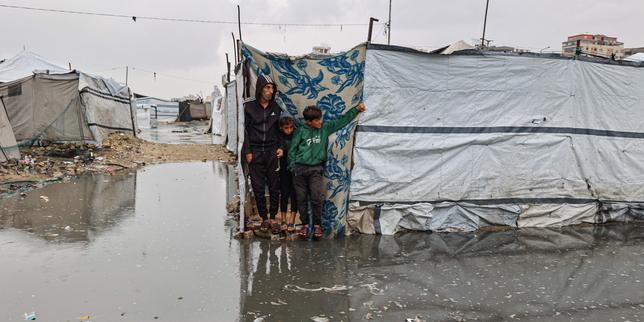
The death toll keeps climbing. When airstrikes slammed into residential homes in the village of al-Sharia near Yemen's capital, Sanaa, health authorities tied to the Houthi movement initially reported dozens of casualties. That number has now surged to at least 44 dead, with numerous others wounded, predominantly women and children.
If you've been tracking the conflict from afar, it's easy to tune out the continuous cycle of blame. But this latest flare-up isn't just another routine skirmish. It marks a dangerous tipping point in a long-standing war that many international observers assumed had settled into a predictable, low-intensity stalemate.
The Anatomy of the Escalation
Let's look at what actually happened on the ground. The strikes targeted civilian infrastructure in al-Sharia, turning residential blocks into pulverized rubble. Footage broadcast by the Houthi-run Al-Masirah network showed bloodied victims, panicked families, and overwhelmed local hospitals scrambling to process trauma cases without adequate medical supplies.
Houthi officials immediately pointed fingers at Saudi-backed coalition forces, citing persistent aerial bombardments across various regions. Meanwhile, the operational theater has seen widening friction, including intercepted missiles near Saudi territory. This tit-for-tat escalation shreds what remained of fragile regional stability.
Why does this matter right now? Because the infrastructure supporting millions of civilians is buckling under the pressure. Hospitals near Sanaa are running low on fuel and basic surgical tools. Families displaced by the recent blasts have nowhere to go, caught in a shrinking envelope of safety.
Beyond the Headlines: The Humanitarian Cost
Numbers like "44 dead" risk becoming sterile statistics if we don't look at the human reality. Yemen's civilian population has endured over a decade of systemic destruction. Clean water is scarce. Food security hangs by a thread. Every time a major aerial campaign hits residential areas, the ripples destroy local markets, schools, and electrical grids that take years to rebuild.
Local humanitarian workers report that emergency response teams are stretched past their breaking point. Ambulances are rationing fuel just to reach critical sites. When you look at Sehatna Hospital and other local medical hubs dealing with the influx of victims, the exhaustion on the faces of doctors isn't hidden. They're treating children with makeshift supplies while international attention shifts elsewhere.
What Comes Next for the Region
Diplomatic channels are currently firing blanks. Iran's foreign ministry recently dismissed remarks from U.S. Secretary of State Marco Rubio regarding peace demands as unworkable, signaling that diplomatic posturing is hardening rather than softening. When major international players trade insults instead of negotiating corridors for aid, local populations pay the ultimate price.
The truth is simple. Until regional and international actors agree to meaningful, enforceable ceasefires that protect population centers, incidents like the Sanaa airstrikes will keep happening. Every missed diplomatic opening guarantees more rubble, more funerals, and an even deeper humanitarian catastrophe that the world will eventually be forced to notice.