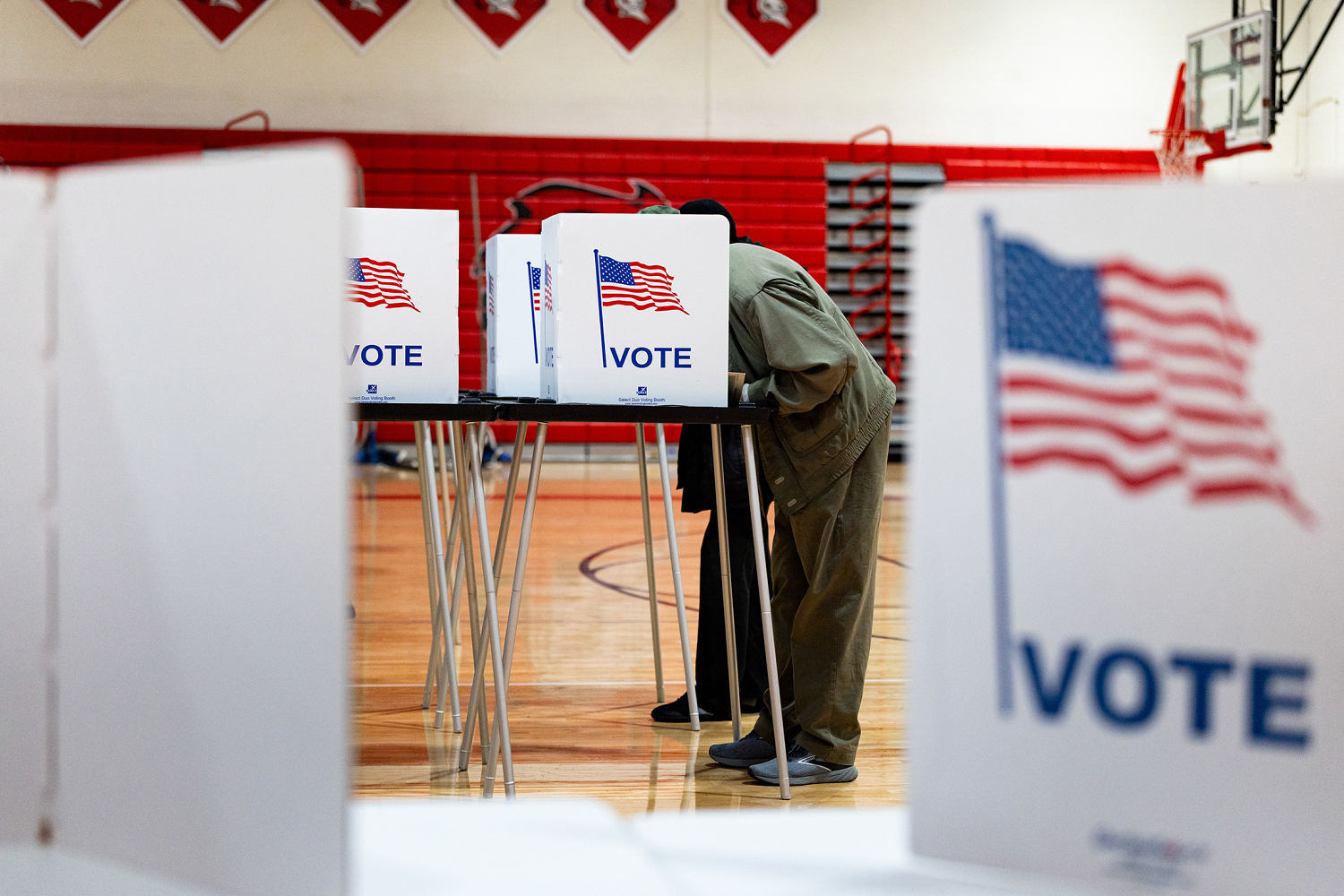
A printer jams. A poll worker forgets to plug in a power cord. A software display shifts a candidate name on a screen during an early morning calibration check. In any other industry, these are standard operational hiccups that get fixed with a screwdriver and a fresh cup of coffee. But inside an American polling place, a loose cable or a momentary glitch instantly transforms into physical proof of a shadowy global plot.
We have turned the mundane logistics of running a massive democratic exercise into an extreme sport of suspicion. Every routine administrative error now gets weaponized online within seconds, leaving local election workers to fight a tidal wave of misinformation with a garden hose.
The Anatomy of a Routine Voting Blunder
Elections are massive, decentralized operations run mostly by local clerks, temporary workers, and dedicated volunteers who are working long hours under immense pressure. Things break. Printers run out of ink. Touchscreens occasionally need to be recalibrated because they are registering touches a millimeter off.
These aren't signs of a rigged system. They are the predictable reality of managing millions of paper ballots and electronic hardware across thousands of distinct jurisdictions. When a voter in Georgia notices a machine glitch during early voting, or a county in Texas prints a batch of sample mailers with a slight typo, local officials usually spot the issue during mandatory pre-election testing. They fix it immediately, log the adjustment, and move on.
The problem starts when someone films the initial hiccup on a smartphone, strips away all context, and posts it online with a dramatic caption. By the time election officials issue a technical explanation, the post has already been shared hundreds of thousands of times.
Why Normal Human Error Gets Misread as Malice
People love a clean narrative of good versus evil. Admitting that a precinct ran out of "I Voted" stickers because of poor supply chain planning is boring. Believing that a secret cabal intentionally withheld those stickers to suppress voter turnout in a specific zip code feels cinematic.
Social media algorithms thrive on outrage. A video showing a completely normal error resolution process gets buried if it is labeled as "routine maintenance." But if you frame that same video as a smoking gun of election theft, the engagement numbers skyrocket. Influencers and political commentators amplify these isolated clips because outrage drives clicks, donations, and views.
Consider how mail-in ballot processing works. States have different rules about when mail ballots can be opened, flattened, and scanned. Some states allow processing to happen before Election Day, while others force workers to wait until the polls officially close. When watchers see stacks of unopened envelopes sitting in a secure room days before an election, rumors fly that fake ballots are being manufactured behind closed doors. In reality, it is just basic administrative preparation designed to keep election night from turning into a week-long marathon.
The Real Cost of Perpetual Suspicion
This constant drumbeat of conspiracy theories takes a brutal toll on the people who actually run elections. Experienced county clerks and bipartisan poll workers are resigning in droves, exhausted by constant harassment, public doxxing, and death threats. When seasoned professionals walk away, districts lose institutional knowledge, making real administrative errors more likely in the future. It is a vicious feedback loop.
Furthermore, undermining confidence in basic voting procedures hurts everyone, regardless of political affiliation. If voters truly believe that every paper jam or calibration check is a deliberate attack on their voice, they stop participating altogether. Democracy relies on a baseline level of trust in the local referee.
How to Cut Through the Noise
You don't need a degree in political science to spot a manufactured election conspiracy. Next time you see a viral video claiming voting fraud, look for three things.
First, check if the local election board has already addressed the issue. Real problems are usually documented and solved transparently by bipartisan teams on the ground. Second, ask yourself if the clip shows a final outcome or a mid-process correction. Most systems have built-in fail-safes, including paper trails that can be audited manually if electronic counts are ever disputed. Third, look at who is sharing the content. Accounts that profit from viral outrage rarely provide accurate, boots-on-the-ground context.
Stop treating routine administrative friction like an existential crisis. Elections are run by humans, and humans make mistakes, fix them, and keep moving forward.
Voting machine safety and facts from the Brennan Center
This overview helps explain why routine administrative issues in voting systems are frequently misinterpreted as deliberate interference on social media.