Shenzhen used to be the ultimate weekend escape for anyone living in Hong Kong. Hop on the high-speed rail, cross the border, and you were instantly surrounded by massive malls, cheap hot pot, and sprawling entertainment complexes. But things change fast. Prices in Shenzhen have crept up over the past few years, turning what used to be a cheap getaway into a surprisingly pricey affair.
So, what do cost-conscious Hongkongers do when their favorite weekend spot gets too expensive? They keep moving north.
Instead of stopping at the border metropolis, thousands of travelers are now looking past the familiar districts of Luohu and Futian. They are boarding trains bound for deeper mainland cities like Guangzhou, Foshan, Changsha, and even Chengdu. They want authentic experiences, lower price points, and a break from the commercialized tourist loops that Shenzhen has perfected.
The Cost Creep in Shenzhen
Let us look at why this shift is happening. Shenzhen has grown up. It is no longer just a manufacturing hub or a cheap weekend market for Hong Kong neighbors. It has transformed into a high-tech powerhouse with a booming real estate market and a thriving middle class.
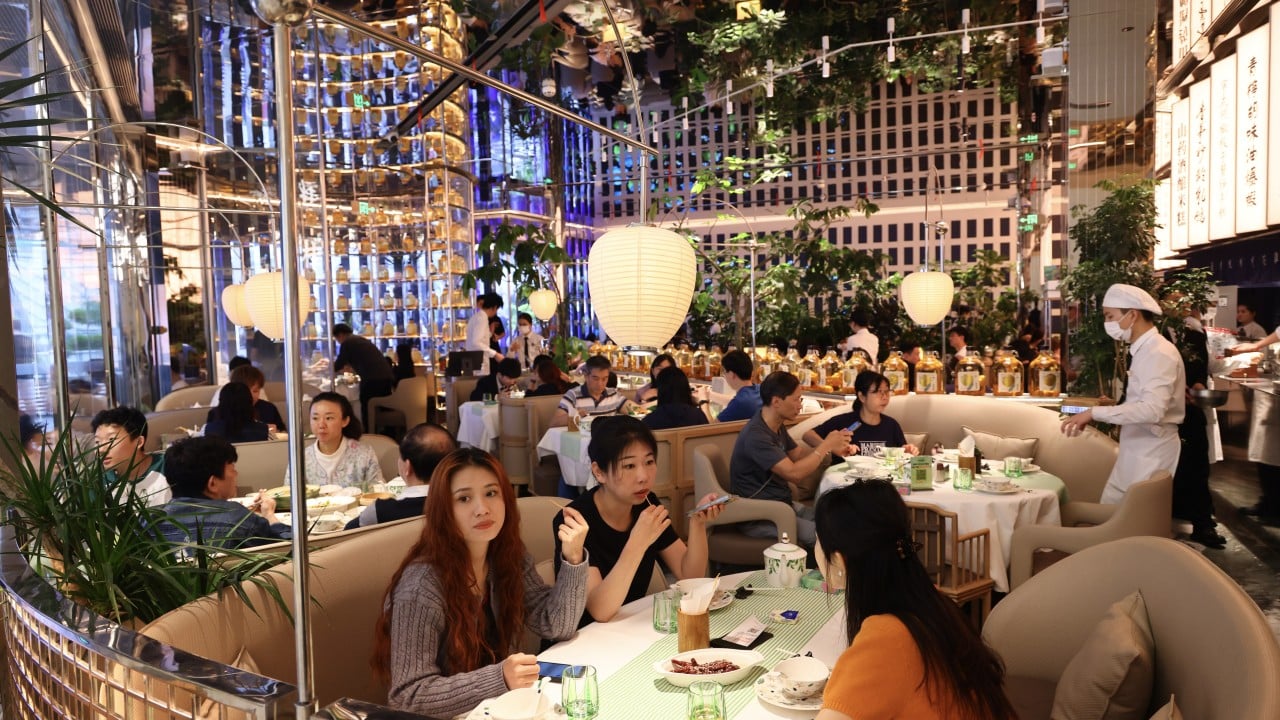
Dining out in core Shenzhen districts now rivals Hong Kong prices in many spots. A trendy coffee, a boutique fitness class, or a night out at a craft brewery can easily dent your wallet. Rent and operational costs have surged for local businesses, and those expenses trickle straight down to the consumer.
When a weekend dinner in Shenzhen costs nearly as much as staying home, the financial incentive starts to fade. Rent-conscious shoppers and food lovers realized they were paying a premium just for proximity. Once you factor in the crowds and the rising bills, the math stops making sense.
Moving Beyond the Border Hubs
Ditching Shenzhen doesn't mean giving up mainland getaways. It just means changing the radius. Travelers are discovering that heading an hour or two further inland unlocks an entirely different economy.
Cities like Guangzhou and Foshan offer incredible culinary heritage without the inflated markup. You can sit down for dim sum or local street food and pay a fraction of what you would spend in downtown Shenzhen. Historic neighborhoods, quieter tea houses, and sprawling green spaces replace the endless concrete towers.
Further out, places like Changsha and Xiamen are pulling in weekend tourists looking for culture paired with affordability. High-speed rail networks make these journeys remarkably smooth. You can leave West Kowloon in the morning and be eating authentic regional noodles two hours later in a city where your money stretches twice as far.
What You Need to Know Before You Go
Venturing past Shenzhen requires a bit more planning than a spontaneous afternoon trip across the Luohu bridge. You are dealing with longer travel times and different regional dialects.
First, master your transport apps. Relying on local ride-hailing and high-speed rail booking tools will save you hours of confusion.
Second, look past the mega-malls. The real magic of deeper mainland cities lies in the older neighborhoods and night markets. That is where you find the best value and the most memorable interactions.
Prices are shifting, and consumer habits are evolving right along with them. If Shenzhen feels too crowded and too expensive lately, you are definitely not alone. The smart money has already moved further up the line. Pack a lighter bag, grab your phone, and see what you have been missing further inland.