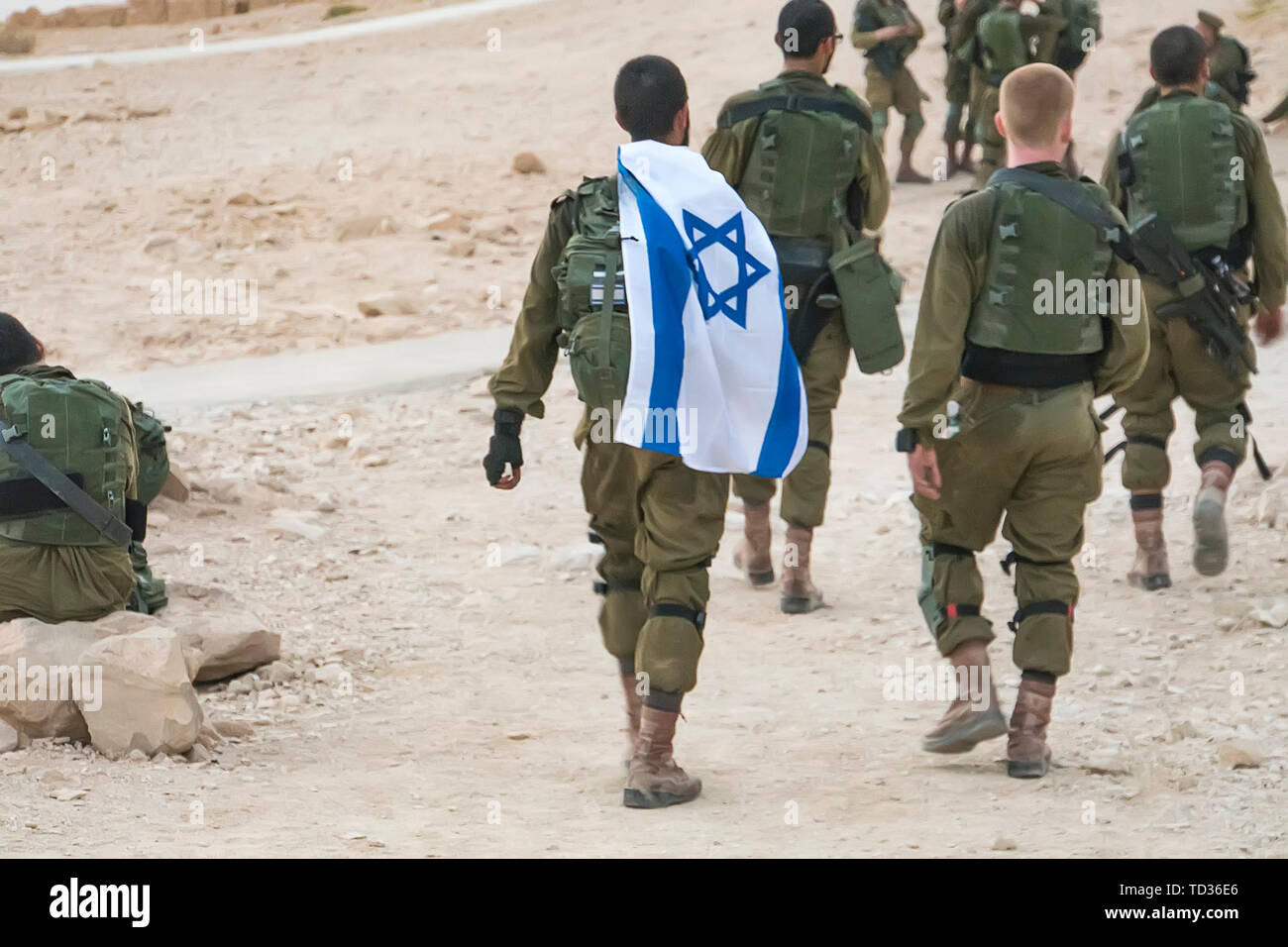
Borders don't mean what they used to for soldiers traveling abroad. If you thought military service offered a permanent shield once you took off the uniform and booked a vacation, recent legal filings prove otherwise.
A criminal complaint filed in the United Kingdom by the Hind Rajab Foundation targets Lidor Dafna, an Israeli reservist and bulldozer operator who served in the 603rd Combat Engineering Battalion. Rather than focusing on high-ranking military commanders or state leaders, this legal action zeroes in on an individual soldier. The complaint accuses Dafna of direct involvement in war crimes, crimes against humanity, and acts of genocide, specifically pointing to the destruction of a flour-milling and food production facility in Gaza in May 2025 amidst severe food shortages.
Why Universal Jurisdiction Changes the Game
Most people assume accountability only happens at international tribunals like the International Criminal Court or through massive geopolitical pressure. But that misses a powerful tool known as universal jurisdiction.
Universal jurisdiction allows domestic legal systems to prosecute grave international crimes regardless of where they took place or the nationality of the suspects or victims. Activist groups and legal teams are increasingly using this mechanism. Instead of waiting for slow-moving international bodies, they are tracking open-source intelligence—social media posts, geo-tagged videos, and public military records—to identify individual soldiers stepping foot in foreign countries.
When a reservist takes a trip to London, they suddenly find themselves exposed to local police reports and arrest requests. Legal advocacy organizations are watching travel patterns closely. They want to turn ordinary international travel into a high-risk endeavor for anyone linked to alleged war crimes.
The Digital Footprint Trap
Modern warfare leaves an undeniable paper trail. Soldiers record videos of themselves operating heavy machinery, demolishing buildings, or joking around in combat zones, often uploading the footage directly to TikTok, Instagram, or Telegram.
In the case of Lidor Dafna, advocacy groups pointed to footage published online showing military engineering equipment dismantling crucial civilian infrastructure, including wheat storage silos. Digital investigators download these clips, verify metadata, cross-reference facial features, and archive them long before the soldier ever deletes their social media accounts.
Military brass once controlled the narrative entirely. Now, every smartphone in a combat zone acts as an independent investigator. Soldiers filming their daily routines frequently hand prosecutors the exact evidence needed to build a criminal case abroad.
What Happens Next in British Courts
Filing a criminal complaint is just the first step. UK authorities, including the Metropolitan Police, face immense diplomatic and legal pressure whenever such high-profile complaints land on their desks.
Police must assess whether there is sufficient evidence to warrant an investigation or an arrest if the individual is tracked within British jurisdiction. Governments often find themselves caught between diplomatic alliances and their legal obligations under international humanitarian law. Even if an arrest doesn't happen immediately, the threat of detention forces targeted individuals to alter travel plans, hire international legal counsel, and live in constant uncertainty.
The strategy aims to shatter the assumption of absolute impunity. When individual soldiers realize that a vacation or a business trip can turn into a criminal investigation, the psychological and personal cost of participating in controversial military operations skyrockets. Accountability is moving closer to the ground level, and traditional military shields are looking weaker by the day.