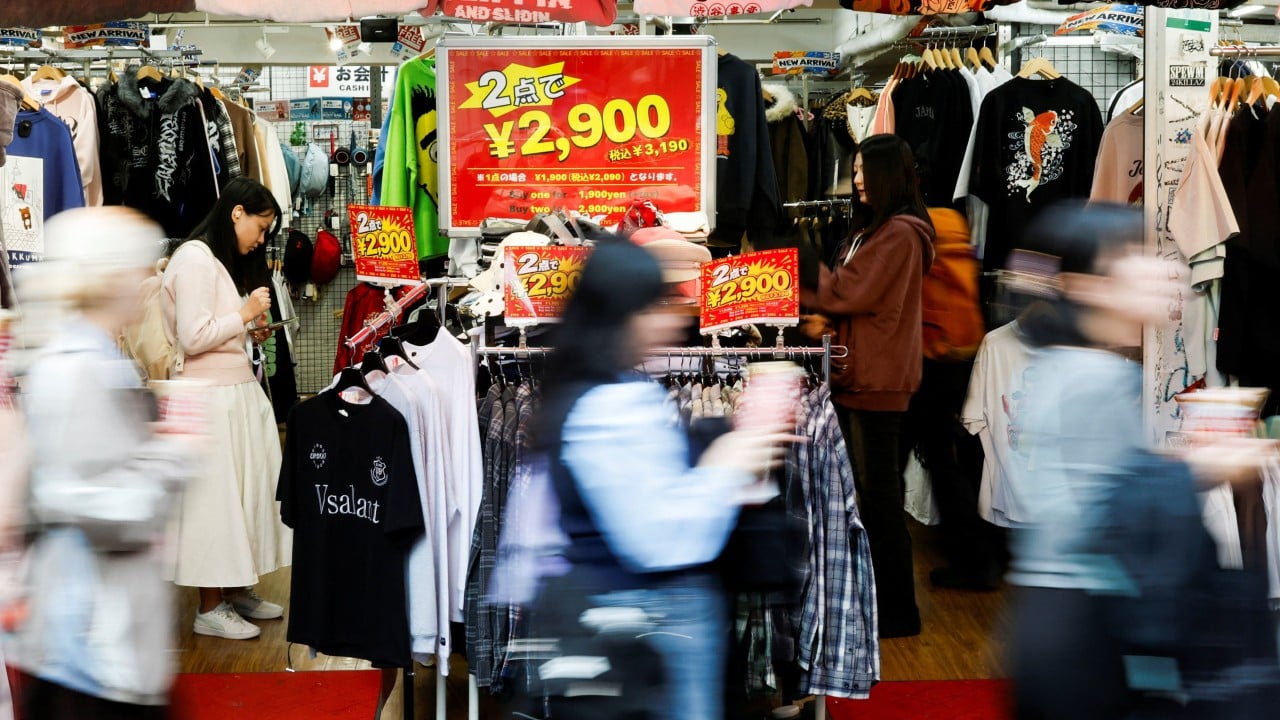
If you flew out of Japan recently, you probably noticed the massive lines at the old downtown refund counters are gone. Japan completely overhauled its tourist tax exemption framework, shifting from an instant discount at the cash register to an airport-anchored refund mechanism. Travelers—particularly frequent visitors from places like Hong Kong who stock up heavily on skincare, electronics, and snacks—are navigating a totally new airport routine.
Instead of getting your 10% consumption tax back right at the store counter, you now pay the full tax-inclusive price when you buy. The actual refund happens after you clear customs verification at your departure airport. While it sounds like an extra chore, automated kiosks and digital integration have made the process remarkably fast when you know what to do. Here is how to handle the shift without missing your flight.
Why Japan Changed the Rules
The old system was broken. For years, tourists could buy duty-free items, get the tax deducted instantly at the register, and occasionally resell those goods locally inside Japan without paying the 10% consumption tax. That loophole cost the Japanese government billions in lost revenue.
The government flipped the script to stop tax evasion. Under the current rules managed by the National Tax Agency, you pay the full price upfront. The consumption tax sits in limbo until you physically prove to customs that the items are leaving the country with you.
The good news? The bureaucratic nightmare of sealing consumables in those annoying, tamper-evident plastic bags is entirely gone. You can pack your matcha, cosmetics, and souvenirs normally. The old distinction between general goods and consumables has vanished, making every qualifying purchase above the ¥5,000 threshold much simpler to pool together.
The Step-by-Step Airport Routine
Your airport experience dictates whether this new system feels like a breeze or a bottleneck. If you do things in the wrong order, you will run into trouble.
- Keep your luggage accessible: Do not drop your bags off at the airline check-in counter first. You must complete your tax refund verification in the international departure lobby before your bags are tagged and sent away.
- Scan at the kiosk or via app: Head to the self-service tax refund kiosks in the departure hall, or use the designated Wi-Fi zone to complete the check through Visit Japan Web. You scan your physical passport to pull up your electronic purchase records.
- Watch the screen color: A green light means you are completely finished and cleared. A red light means customs wants a physical inspection, which is why your tax-free goods must still be in your suitcase or carry-on right beside you.
- Collect your money: Once the system or customs officer confirms the export, the store or its designated refund provider processes your money.
Choosing Your Refund Method Wisely
Getting your money back depends heavily on the choices you make at the point of sale. Stores partner with different refund operators, and your payout method changes how pain-free the experience is.
Most experienced travelers opt for credit card refunds. Choosing a card credit saves you from standing in another physical queue at the airport to collect a stack of physical Japanese yen. It also saves you from taking a second currency exchange hit when you convert leftover cash back into your home currency once you return.
If a store provides a companion app or a QR registration link at checkout, take two minutes to link your passport and card right there in the shop. Doing it while waiting in line beats trying to figure out mobile data connections and form fields while standing in a bustling airport departure lobby.
Common Traps to Avoid
Even though the process takes under a minute when everything goes right, small mistakes trigger frustrating delays.
Do not lose your physical receipts. While everything transmits electronically to the tax agency's database, customs officers occasionally request paper receipts if a digital scan fails or if you get flagged for a spot check. Keep them tucked in a single passport sleeve throughout your trip.
Pay attention to your purchase timeline. You have a strict 90-day window from the day of purchase to take the goods out of Japan. If you stay longer or leave items behind with friends, those specific transactions lose eligibility.
Give yourself an extra thirty minutes at the terminal during peak travel seasons like Golden Week, the summer holidays, or cherry blossom peaks. Arriving late with a massive pile of tax-free goods and a checked suitcase full of electronics is a recipe for stress. Sort your high-value items near the top of your bag, keep your passport ready, and let the automated kiosks handle the heavy lifting.