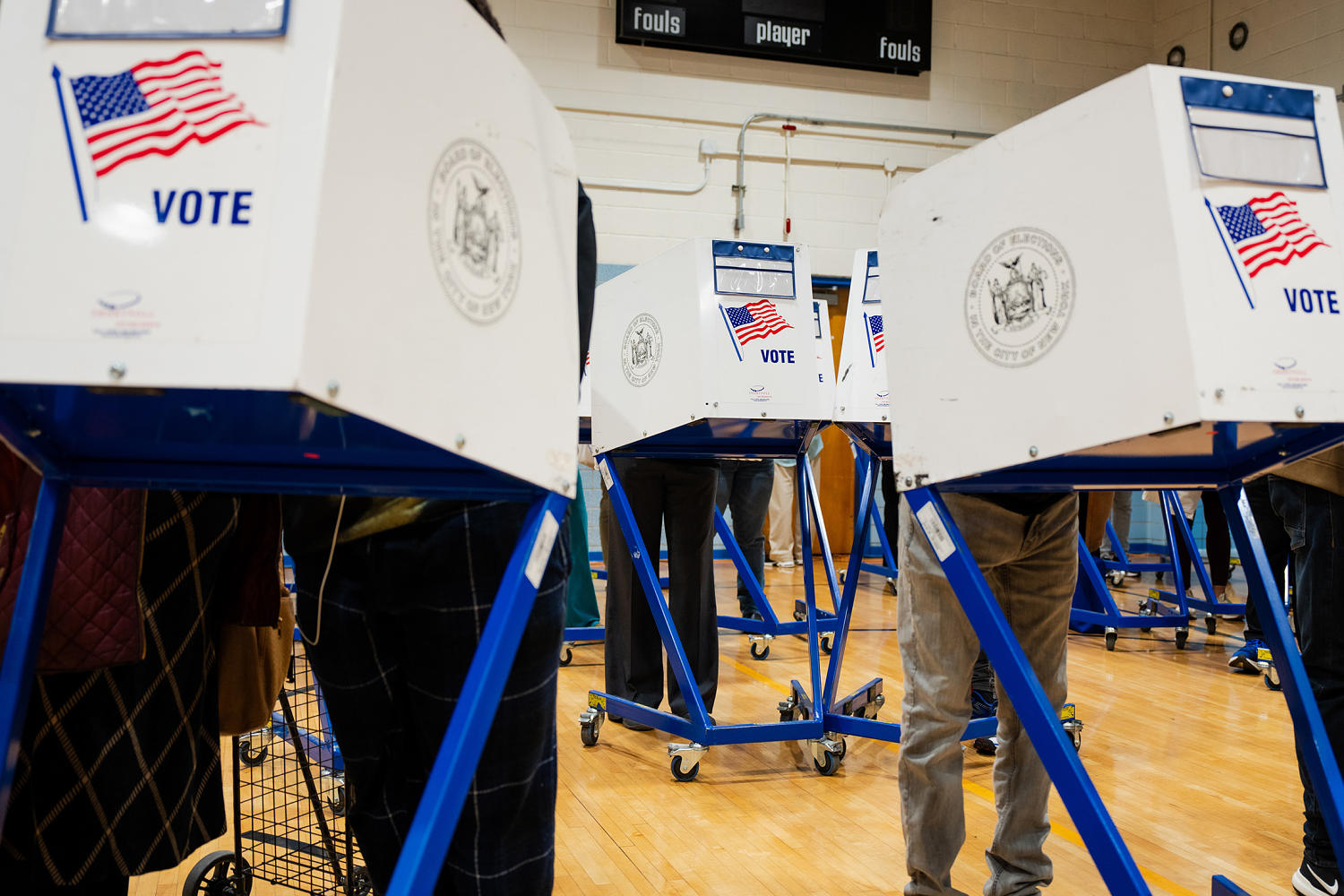
Election night brings a unique kind of chaos. You stare at cable news anchors sweating under bright studio lights, refreshing results pages until your fingers cramp, while pundits throw around terms like red mirage and blue shift like everyone knows what they mean. If you want to survive the coverage without drowning in noise, you need a strategy.
Let's break down how to actually watch election returns, separate real trends from studio panic, and understand what matters when the numbers start rolling in. Recently making headlines in this space: How Canadian Real Estate Marketing For West Bank Settlements Triggered A Major Legal Battle.
Why the Early Returns Will Lie to You
The first rule of election night is simple: ignore the initial numbers. They are almost never representative of the final outcome.
Different counties report at wildly different speeds. Rural areas often dump all their votes within an hour of polls closing, creating a sudden surge for one party. Urban centers take days to process mail-in ballots, which historically lean heavily toward the opposing party. This creates the famous "red mirage" or "blue shift." More insights into this topic are explored by Associated Press.
When you see a massive early lead in a crucial battleground state, take a deep breath. Look at how many total votes have actually been counted. If a candidate is up by twenty points with only ten percent reporting, you are looking at ghost data. Real analysts watch the remaining uncounted pools of votes—specifically mail-in ballots and provisional votes—rather than the flashing red and blue maps on TV.
Tracking What Actually Matters
Instead of watching every single state race flash across your screen, focus on a few key bellwether indicators that tell you how the broader political landscape is shifting.
- Exit Poll Realities: Early exit polls give you a glimpse into voter motivations, but don't treat them as gospel. Look specifically at economic concerns, inflation metrics, and how voters view the current administration. When nearly half the electorate treats a midterm vote as a direct referendum on presidential performance, national dynamics override local candidate quirks.
- House Margins and Flip Targets: Control of the House of Representatives usually comes down to a razor-thin margin of just a few seats. Watch suburban districts in states like New York, California, and Pennsylvania. These swing districts tell you whether independent voters are breaking toward the status quo or demanding a sharp course correction.
- Senate Battlegrounds: Senate races move slower than House races, but they dictate the legislative gridlock for the next two years. Keep an eye on open seats or tight incumbent defense spots where campaign spending hit record highs.
Managing Your Mental Health on Results Night
Cable news networks exist to keep you anxious. Their business model relies on turning every percentage point shift into an existential crisis.
Turn off the pundit commentary. The talking heads don't know any more than the raw data tells them, and they are incentivized to dramatize every minor fluctuation. Stick to primary data sources, official state election boards, and trackers that provide raw vote counts without the emotional overlay.
Set a hard cutoff time. Most major battleground states will not finish counting on election night. Staying awake until 3 AM to watch a race move from 48 percent to 49 percent won't change the outcome. Get some sleep. Democracy moves at its own stubborn pace, and the final results will still be waiting for you in the morning.
Stop treating election night like a sporting event where your team either wins or loses in the final seconds. Treat it like a data feed. Look at the shifts, note the surprises, and remember that governance happens long after the TV anchors turn off their microphones.