Politics is messy. Public relations genius, when it hits, is a thing of beauty.
Donald Trump recently took the stage at a rally in Michigan and let loose. Furious about being passed over for the Nobel Peace Prize by the Oslo-based committee yet again, he hurled an insult at Scandinavia. He called Norway a "shithouse country" and declared he wanted nothing to do with its people or its immigrants.
Most countries would draft a stiff diplomatic note of condemnation. Norway's official tourism board decided to lean into the gutter with a masterclass in Scandinavian sarcasm.
Visit Norway responded almost immediately online. Instead of getting defensive, they weaponized humor. They highlighted what they actually have: some of the most striking architectural public restrooms on earth, built along their famed national scenic routes.
When Toilet Humor Beats Diplomacy
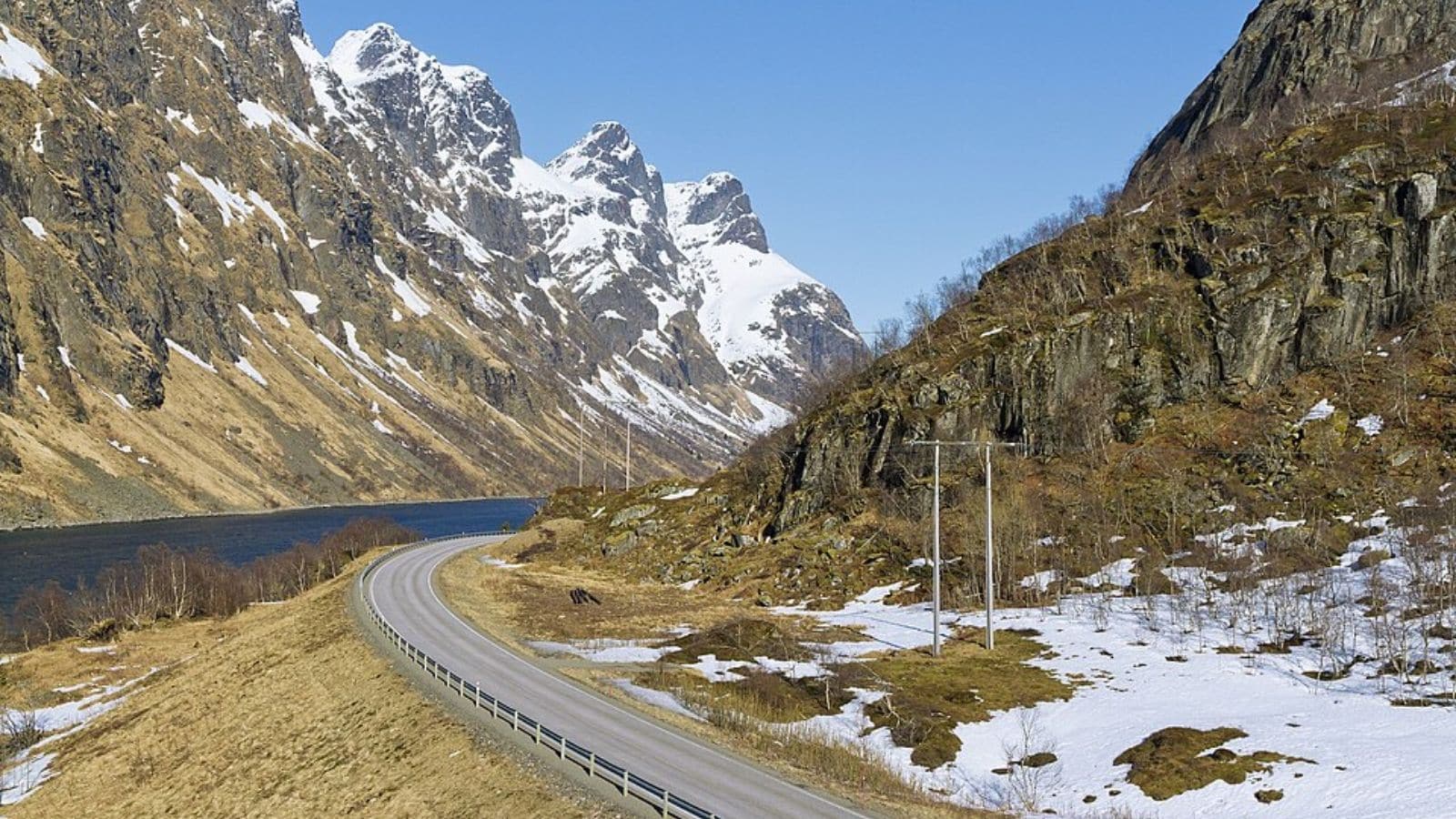
If you've ever traveled through rural Scandinavia, you know their roadside infrastructure defies expectations. They don't just build functional brick boxes. They commission avant-garde architects to design glass-paneled, minimalist masterpieces overlooking jagged fjords, crashing North Sea waves, and snow-dusted mountains.
The tourism board leaned right into the cheap shot.
"We heard some noise about the shithouse country," Visit Norway posted on social media, showing off pristine, glass-walled restrooms with million-dollar views. "Well, what we can say, we do have some of the most spectacular toilets in the world."
They didn't stop there. They coined a brilliant counter-slogan: "Make shit houses great again," serving up an obvious, cheeky nod to American political branding. They even joked that these public restrooms are worth visiting even if you don't actually need to go.
Why This Response Actually Works
Marketing experts study moments like this because they break every rule of traditional corporate communication. They are risky, highly informal, and dripping with irony. Yet, they work brilliantly for a few distinct reasons.
First, it disarms the aggressor completely. When a high-profile politician throws a tantrum over an independent body like the Norwegian Nobel Committee—which operates entirely separate from the government—arguing back with traditional facts rarely moves the needle. Espen Barth Eide, Norway's foreign minister, did the diplomatic duty by reminding the public that the Nobel Committee is independent. But Visit Norway did the cultural heavy lifting. They laughed.
Second, it highlights a genuinely unique piece of infrastructure. Norway's national tourist routes feature rest stops that cost millions of dollars and have won international design awards. Places like Ureddplassen, featuring concrete wave-like structures and glowing amber lights facing the Norwegian Sea, are tourist destinations in their own right. By taking Trump's insult literally, the marketing team reframed a vulgar jab into an organic showcase of high-design public spaces.
The Reality of Scandinavian Sarcasm
Outsiders sometimes misread Nordic humor. It is dry, deadpan, and deeply unimpressed by power or status. When you call a wealthy, high-functioning welfare state a bad name because of a snubbed award, citizens don't clutch their pearls. They make memes.
It mirrors a long tradition of turning political blunders into economic wins. Remember when European nations sold out of "Covfefe" merchandise or when Greenland politely declined to be purchased? Nations with high trust in their own institutions don't need to get defensive. They can take a punch, twist the narrative, and get free global media coverage worth millions of dollars.
Trump wanted to insult a nation. Instead, he gave their national tourist board a viral campaign that cost virtually nothing to produce.
If you ever find yourself driving along the Norwegian coast, stop by one of these architectural marvels. Take in the fjords. Appreciate the design. And remember how a petty political rant turned an ordinary roadside pit stop into a global legend.