You have probably heard plenty of doom and gloom about environmental decline. We are constantly told that once an island ecosystem gets overrun by invasive predators, it's game over. Nature simply surrenders.
Nuutele Island just proved every pessimist wrong.
Invasive rats and feral pigs spent decades chewing through this Samoan jewel, turning lush tropical forests into degraded dirt. Then, conservation teams stepped in. Between March 2025 and May 2026, relentless field crews executed 12 grueling expeditions across 130 working days. They didn't rely on wishful thinking. They targeted the invasive species choking out native life.
What happened next shocks anyone who thinks conservation is a losing battle. By 2026, the transformation was staggering. Native forests started regenerating from the roots up. Rare birds laid eggs in newly built nests. Sea turtles crawled back onto beaches they had abandoned for decades.
The Brutal Math of Island Destruction
People underestimate how fast an invasive species can ruin an entire ecosystem. Rats eat bird eggs and decimate vulnerable chick populations before they ever touch the sky. Feral pigs act like living bulldozers, tearing up topsoil, trampling native seedlings, and stopping young trees from ever taking root.
On Nuutele, located just off Upolu's eastern coast, this tag-team of destruction broke the natural cycle. The island, recognized as a Key Biodiversity Area, lost its structural resilience. Plants couldn't grow. Birds couldn't breed. The soil turned sterile.
When Samoa’s Ministry of Natural Resources and Environment partnered with Island Conservation and SPREP's PRISMSS program under the Predator Free Pacific banner, they knew they faced rough terrain. Local landowners from Aleipata rolled up their sleeves and joined the fight. They didn't just write reports. They spent months hauling gear across cliffs and dense brush to reclaim their ancestral land.
What Recovery Looks Like on the Ground
If you visit Nuutele today, you aren't looking at a sterile scientific laboratory. You are watching a living habitat snap back to life with frightening speed.
The forest floor tells the best story. Native seedlings are shooting up through soil that was completely bare just a year ago. Local families are already seeing agricultural perks too. Bananas, papayas, and taro are thriving where crops previously withered into nothingness.
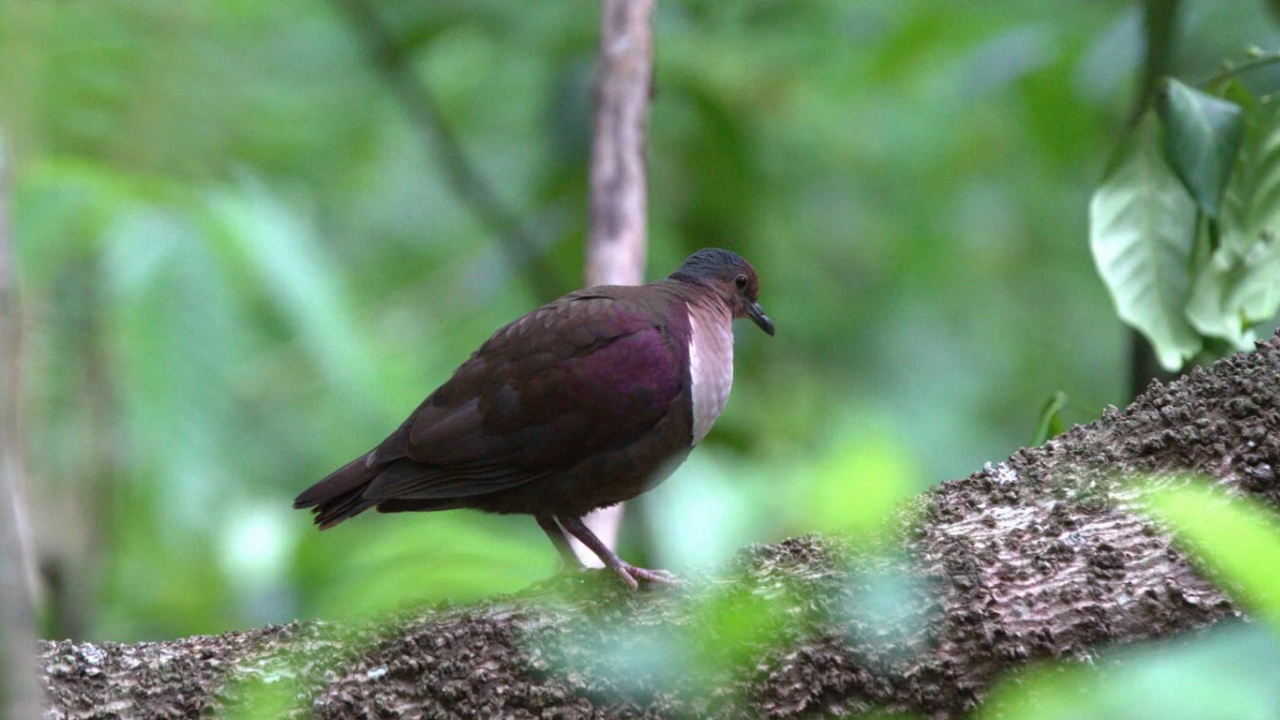
Wildlife surveys reveal an even bigger win. Researchers found active nests belonging to the Shy Ground Dove. Nuutele holds Samoa's largest remaining population of this struggling bird, and the removal of rats gave them the breathing room they needed to reproduce. Nests from the endemic Samoan Starling, the Samoan Flycatcher, and the Samoan Whistler popped up across the canopy.
And then came the marine life.
Sea turtles returned to nest on the coast after decades of total absence. Scientists even spotted a brand-new land crab species never previously recorded on the island. These crabs aren't just a fun trivia fact. They act as nutrient couriers, hauling vital organic matter back and forth between deep forests and marine protected areas.
The Bigger Picture for Pacific Islands
You might wonder why this matters outside of Samoa. It matters because Nuutele offers a blueprint.
Most conservation projects drag on for decades with zero visible payoff. This one moved at light speed because the strategy was surgically precise. Remove the apex disruptors—rats and pigs—and let nature handle the heavy lifting.
Plans are already underway to introduce threatened native species like the Mao bird to Nuutele now that the predators are gone. Beyond birds and bugs, healthier forests give the entire island a fighting chance against extreme weather. Intact root systems anchor eroding soil and hold onto vital fresh water during heavy storms.
Next time someone tells you environmental damage is permanent, point them toward Nuutele. Nature doesn't need coddling. It just needs us to get out of the way.