People lose their minds at 35,000 feet. Normal, tax-paying adults who wouldn't dream of sliding a twenty to a maître d' suddenly turn into amateur negotiators the second they step onto a commercial jet. They want a better seat, they want it now, and they seem genuinely convinced that airline rules are just rough guidelines meant to be negotiated away with a wad of cash.
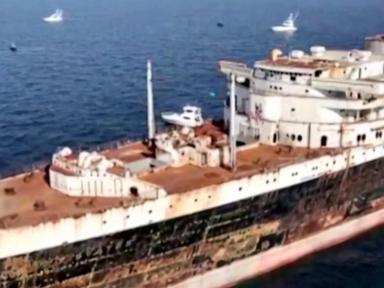
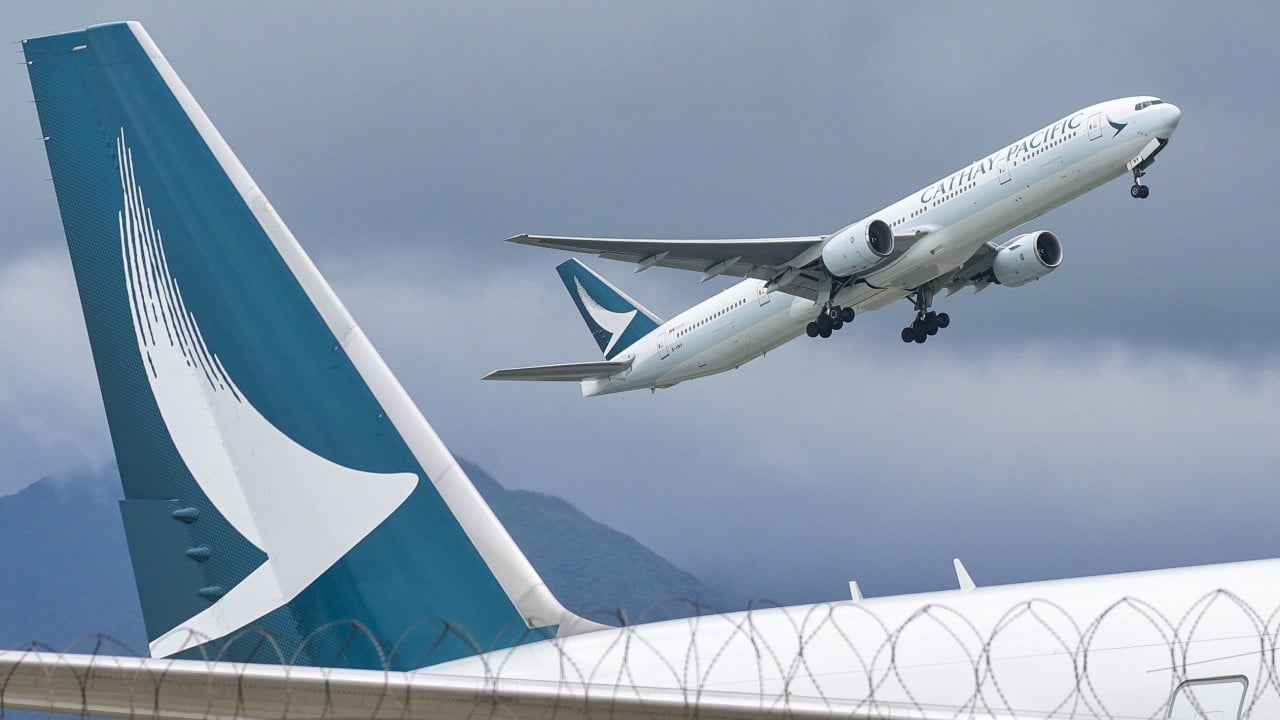
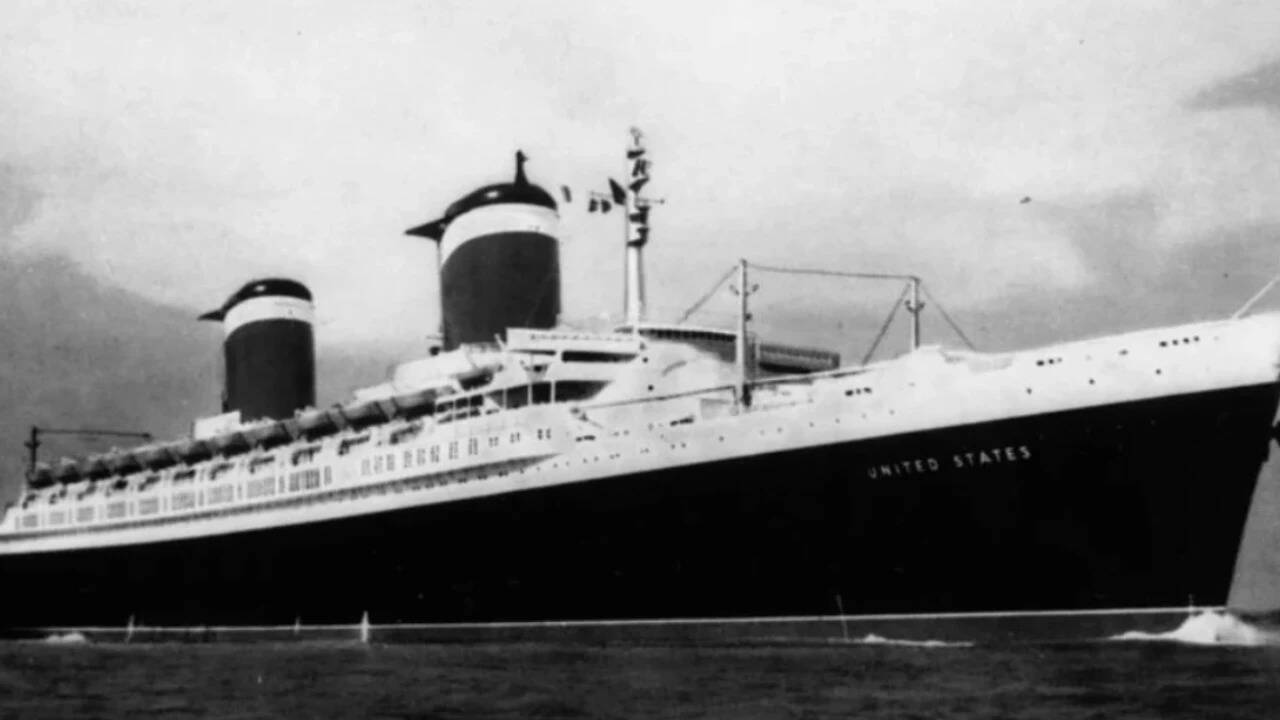
Take what recently went down on a WestJet flight operating from Cancún to Toronto. A passenger decided that the standard upgrade protocols—which usually involve bidding online days in advance or paying official fees at the counter—simply didn't apply to them. Instead of following the system, they tried a direct cash bribe straight to the cabin crew. You might also find this related article interesting: What Happens When A Forever Cruise Collapses And Gets Seized.
Unsurprisingly, the flight attendant said no. That's when things escalated from mildly amusing to deeply exhausting.
The Reality of Cabin Economics
Flight attendants aren't concierge staff at a Vegas hotel. They can't just hand out premium seats because you flashed some bills or gave them a winning smile. As extensively documented in detailed reports by Lonely Planet, the effects are worth noting.
Airlines run on strict inventories, precise weight and balance calculations, and rigid manifest software. Every single seat assignment correlates with safety procedures, catering numbers, and loyalty tier tracking. When a flight attendant refuses a cash bribe, they aren't just being difficult or following corporate bureaucracy. They are legally and professionally bound to standard operating procedures.
Offering unauthorized cash on a plane creates an immediate security and compliance problem. Cabin crew members have zero authority to accept cash transactions for seat upgrades on the fly. Doing so would look a lot like theft or fraud to airline auditors.
When the WestJet crew member politely shut down the upgrade attempt, the passenger didn't just accept it. They grew verbally aggressive. They started making a scene in the aisle, demanding to know why their money wasn't good enough.
When the Flight Deck Gets Involved
Cabin crew don't have time to babysit grown adults throwing tantrums over legroom. When verbal abuse crosses a certain line, protocol dictates that the captain gets looped in immediately.
The flight crew sent an urgent message straight to the flight deck. The pilot now has to weigh potential security disruptions against the regular duties of flying a Boeing 737 full of people back home.
People forget that airplanes are closed ecosystems. You cannot just step outside to cool off. A disruptive passenger is a genuine threat to the peace and safety of everyone on board. While this particular flight eventually landed safely at Toronto Pearson International Airport without needing a mid-flight diversion or an emergency escort by law enforcement right at the gate, it highlights a growing sense of entitlement in the skies.
How Upgrades Actually Work
If you want extra legroom or a nicer meal, you have to play by the rules that every other traveler uses.
Airlines like WestJet have clear, transparent paths for upgrades. You can place an online bid ahead of time through their automated system. You can pay for an instant upgrade if inventory remains open as departure approaches. You can use loyalty points or elite status tiers.
What you cannot do is treat an aircraft cabin like a black market bazaar.
Flight attendants deal with delayed connections, screaming babies, lost baggage stress, and cramped quarters for hours on end. Adding bribery and verbal abuse to their shift isn't just rude—it's a fast track to getting blacklisted from future flights or met by security teams upon landing.
Next time you board a flight, skip the amateur negotiations. If you want a better seat, pay for it before you board. Otherwise, settle into your row, put your headphones on, and remember that cash doesn't buy exceptions at 35,000 feet.
Growing number of WestJet passengers question compensation
This video provides additional context regarding recent passenger disputes and operational policies involving WestJet flights.