We tend to panic over oil spills and massive industrial accidents while ignoring the quiet threats sitting inside our living rooms. In the summer of 2000, marine biologists discovered something terrifying in Southern California's Agua Hedionda Lagoon and Huntington Harbour. It wasn't a toxic chemical or a discarded barrel of waste. It was a decorative aquarium plant.
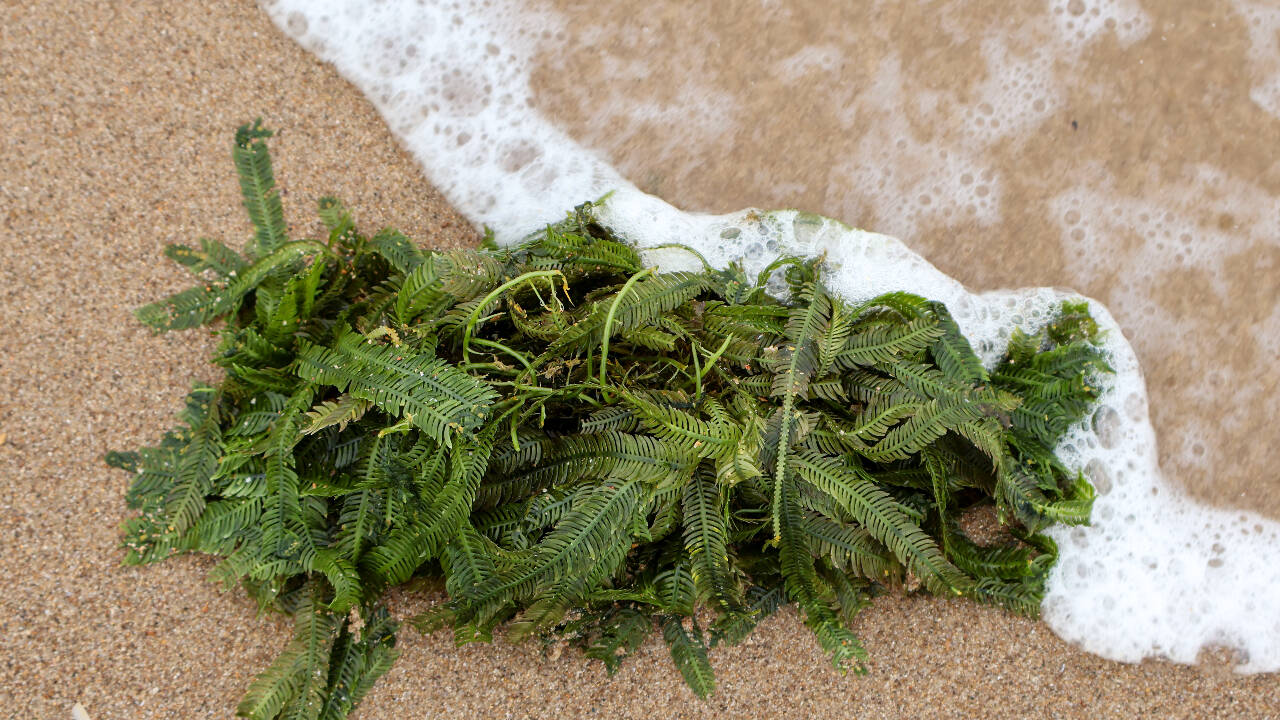
Caulerpa taxifolia, a bright green strain engineered for European display tanks, had somehow made its way into local waters. Most likely, a hobbyist dumped the contents of a saltwater tank straight into a storm drain. That single careless act triggered an environmental emergency that required six years, millions of dollars, and aggressive chemical warfare to fix.
Why This Specific Algae Terrifies Scientists
You can't talk about invasive species without looking at why this particular strain earned the nickname "killer algae". Originally native to tropical regions, the organism was accidentally modified in a German zoo during the 1980s. Someone bred a cold-tolerant mutation that could survive temperatures far outside its natural comfort zone.
When it escaped into the Mediterranean Sea from Monaco's Oceanographic Museum in 1984, it didn't just grow. It exploded. It covered thousands of hectares of seabed, choking out native plants and ruining commercial fisheries.
When it showed up in California waters in 2000, authorities knew they had to act immediately. This plant doesn't need seeds or traditional fertilization to spread. It reproduces through asexual fragmentation. Slice a single strand into pieces as small as one centimeter, and every single fragment will grow into a brand-new, fully functioning organism.
Boat anchors, fishing nets, and ocean currents can pick up these tiny pieces and carry them miles away. Once it settles, it forms dense underwater carpets that block sunlight, starve local marine life of oxygen, and release toxic compounds that drive away fish.
The Brutal Tactics Required to Fix the Problem
You can't just send divers down with hand trowels to pull up a weed like this. Doing that actually makes things worse by breaking the plant into thousands of microscopic fragments, each one ready to start a new colony.
California officials realized they needed an extreme approach. Scientists formed the Southern California Caulerpa Action Team and deployed a heavy-handed containment strategy. Divers covered infected patches of the lagoon floor with massive black polyvinyl chloride tarps, sealing the edges tightly with sandbags.
Once the tarps locked down an area, crews pumped liquid chlorine bleach directly underneath.
The chemical bath killed everything trapped beneath those covers. Fish, crabs, native sea grasses, and the invasive algae all died. It was an ecological scorched-earth policy. But environmental regulators weighed the options and decided that sacrificing a few localized patches of marine life was better than letting the algae take over the entire Pacific coastline.
The cleanup lasted until 2006 and cost upwards of seven million dollars. It worked, but it was a terrifyingly close call.
The Threat Is Back and People Aren't Paying Attention
If you think this is just a historical footnote from the early 2000s, look closer. In 2021, a different invasive species from the same family—Caulerpa prolifera—was discovered growing near the mouth of Newport Bay.
History is trying to repeat itself. Yet, local agencies are struggling to secure adequate funding and public attention to tackle the new outbreaks before they spiral out of control. People still buy exotic marine plants online or from pet stores without understanding the ecological risk of improper disposal.
If you keep a saltwater aquarium, never dump tank water or unwanted aquatic plants down the drain, into local storm systems, or into natural bodies of water. Always double-bag organic aquarium waste and throw it securely in the trash. The price of convenience shouldn't be another multi-million-dollar marine disaster.