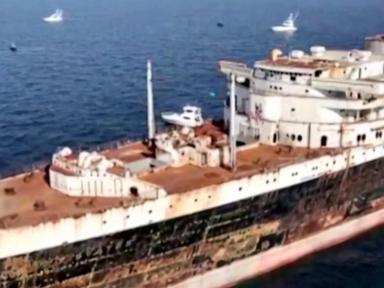
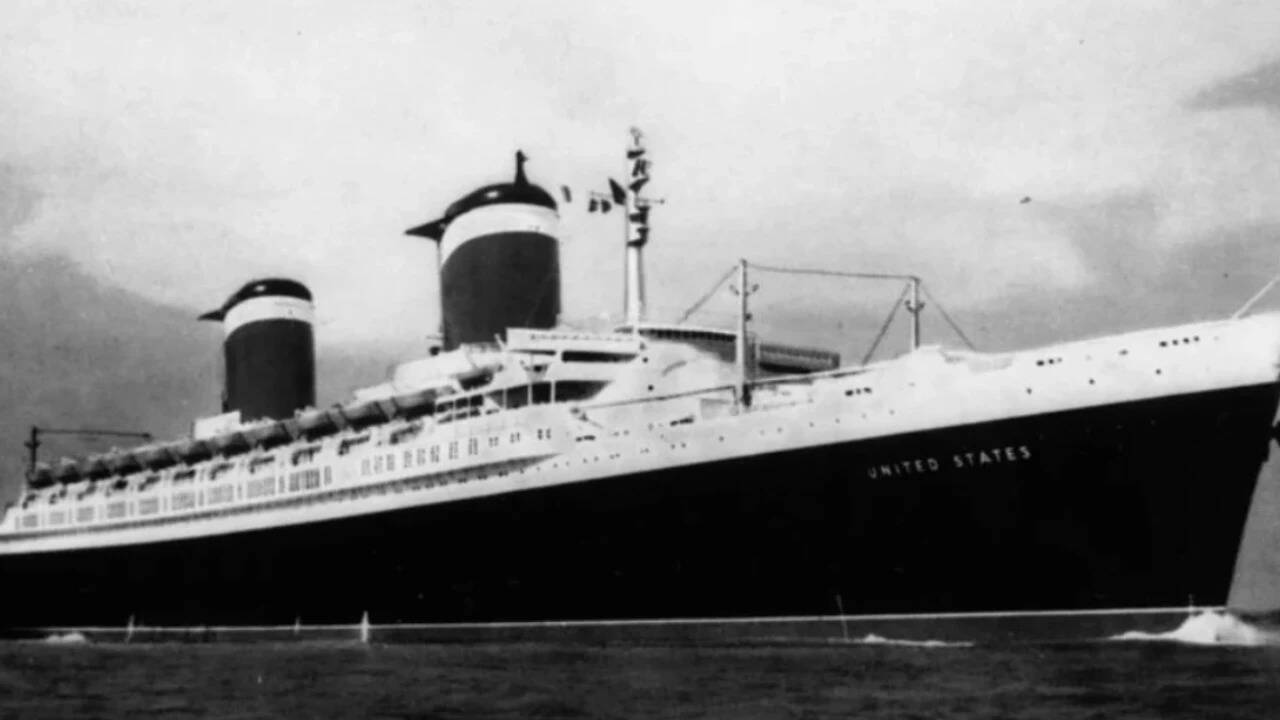
For decades, the grandest ghost of the American maritime age sat quietly rusting along a Philadelphia pier. She was longer than the Titanic, sleek as a greyhound, and faster than any ocean liner that came before her. Now, the legendary SS United States has met a very different fate than the scrapyard. Okaloosa County, Florida, arranged to sink the historic vessel to create the world's largest artificial reef, shifting her legacy from the surface of the Atlantic to the depths of the Gulf of Mexico.
Weather concerns forced officials to rush the timeline, moving the final scuttling up by a day. But the logistics behind putting a 990-foot behemoth on the seafloor without blowing her to pieces tell a fascinating story of modern engineering, stubborn preservation efforts, and a new era of underwater tourism.
The Rise and Long Decline of America's Speed Queen
Back in 1952, naval architect William Francis Gibbs built a floating masterpiece. Constructed in secret cooperation with the US Navy, the ship was designed to double as a rapid troop transport capable of carrying 14,000 soldiers without refueling halfway across the globe. During her maiden voyage, she smashed transatlantic speed records in both directions—a record she still holds today.
For years, Hollywood stars, presidents, and foreign diplomats walked her teak decks. They ate fine dining under art deco ceilings while the massive steam turbines pushed the vessel past 35 knots in total luxury.
Jet airliners changed everything. By 1969, she was pulled from service, sitting idle while successive owners floated grand plans to turn her into a floating hotel or bring her back to life. Millions of dollars evaporated, lawsuits piled up, and the majestic hull remained trapped in Pennsylvania. Restoration estimates soared past reasonable budgets. Saving her as an afloat museum became an impossible financial dream.
Sinking a Legend Without Dynamite
Turning an ocean liner into a marine habitat isn't as simple as opening a sea valve and walking away. Environmental regulations are strict, and federal rules barred Okaloosa County from using traditional demolition explosives to send her down.
Crews spent months meticulously preparing the hulk after towing her around Florida to Mobile, Alabama. Workers stripped out every piece of remaining interior material, removed toxic substances, detached her iconic red, white, and blue smokestacks for future museum exhibits, and cut massive ten-foot square access holes across multiple internal decks. These openings ensure that water floods the compartments evenly while giving future scuba divers safe entry and exit routes once she settles on the bottom.
The final resting spot sits roughly 25 miles southwest of Destin, Florida, in 180 feet of water. While the keel rests deep on the sand, the upper decks sit high enough that intermediate divers can explore upper structures around 60 feet down.
A Controversial End That Sparks New Marine Life
Not everyone welcomed the decision. Maritime preservationists argued fiercely that a ship of such historic importance deserved a dry dock or a waterfront museum berth where land-bound visitors could walk her halls. Susan Gibbs, granddaughter of the ship's designer, expressed bittersweet relief that parts of the vessel were saved while her massive steel frame found a productive second life.
Local economists see a massive win. The Florida Panhandle already features roughly 500 artificial reefs, including the retired aircraft carrier USS Oriskany, which sits close enough that experienced technical divers can visit both giants on a single weekend trip. Tourism officials expect the SS United States to draw scuba enthusiasts and anglers from across the globe, driving millions in regional revenue while coral, sponges, and schools of fish quickly colonize the cold steel.
The grand old lady of the Atlantic won't cut through the waves anymore. Instead, she anchors a thriving marine ecosystem, keeping her legendary name alive beneath the Gulf waves.