You sell your home, pack your entire life into two suitcases, and pay a quarter of a million dollars for a permanent floating apartment. Then, a company representative gives you seven hours to clear out while you are docked in Cambodia.
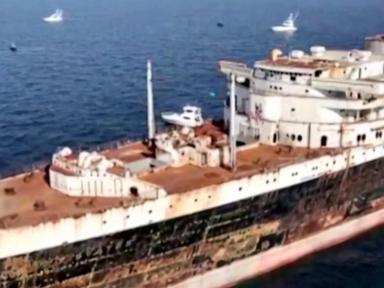
That is the harsh reality facing roughly 200 passengers who bought into the dream of living aboard the Villa Vie Residences ship, the MV Odyssey. The vessel abruptly halted its multi-year global voyage at the port of Sihanoukville. Management pointed a finger straight at skyrocketing fuel prices driven by geopolitical conflicts in the Middle East, claiming monthly per-cabin fuel expenses shot up from $1,800 to as high as $8,000 in parts of Asia.
Blaming the fuel market is convenient. It masks a much deeper set of warning signs that seasoned travelers and financial analysts saw coming from a nautical mile away.
The Illusion of Permanent Living at Sea
Residential cruise ships sound like a utopian escape for retirees and remote workers tired of mortgages and property taxes. You pay a hefty lump sum—starting around $230,000 for a lifetime lease on some cabins—plus continuous monthly maintenance fees. You trade land-based stability for endless ocean views.
The math behind these ventures relies heavily on uninterrupted cash flow and stable operational costs. When a startup cruise operator launches a multi-year global itinerary with a single aging ship, the financial margin for error is razor thin.
The Odyssey didn't even start smoothly. Its departure from Northern Ireland faced a multi-month delay due to last-minute technical overhauls. If a company starts bleeding cash before it even leaves European waters, the long-term prognosis is grim. Passengers wanted to believe the marketing brochure. They ignored the fragility of a startup running a floating hotel on venture-style optimism.
When Fuel Prices Become a Convenient Scapegoat
Villa Vie Residences announced it was entering a 60-day restructuring phase, citing extraordinary petroleum spikes that made operations unsustainable. True, global shipping fuel costs have faced severe pressure. Conflicts affecting key transit corridors like the Strait of Hormuz squeeze petroleum supplies worldwide.
Yet, pointing solely at the oil market ignores basic corporate accountability. Passengers reported being repeatedly hit up for extra cash to cover fuel and operational gaps over the preceding months. When management relies on constant ad-hoc surcharges from customers who already paid upfront fortunes, the business model has broken down.
Fuel didn't kill this cruise alone. Chronic undercapitalization and poor financial buffering did.
The Nightmare of Disembarkation in Sihanoukville
Being stranded thousands of miles from home with a seven-hour notice is a logistical nightmare. The deputy governor of Preah Sihanouk province noted that 203 guests and 156 crew members were suddenly forced off the Bahamas-flagged vessel. While local Cambodian authorities stepped in to assist with welcoming passengers ashore and helping coordinate flights, the emotional toll on retirees who sold everything is immeasurable.
Crew members faced unpaid wages and sudden unemployment. Residents who surrendered their land-based housing are now temporary renters in Southeast Asia, scrambling to figure out if their life savings invested in a sea cabin are gone forever.
What Future Sea Residents Must Realize
If you are eyeing alternative residential cruise options, take this disaster as a hard lesson.
- Startup operators lack safety nets: Established cruise giants like Crystal or Seabourn survive market shocks because they have massive corporate parents and diverse fleets. Single-ship startups live on the edge of insolvency.
- Read the fine print on liability: Check how passenger funds are held. If your upfront capital is spent immediately to pay off the ship's acquisition costs rather than held in escrow, you have no protection if the company capsizes financially.
- Always have an exit strategy: Never burn your bridges on land. Selling your house to fund a nomadic maritime lifestyle means you have zero fallback options when a voyage hits the rocks.
The promise of endless horizons will always tempt dreamers. Just make sure your financial anchor is securely fastened to dry land before you board.