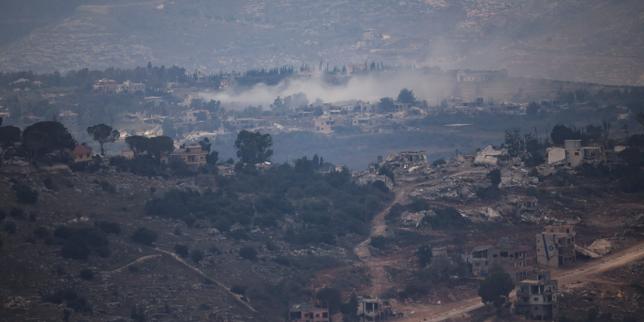
The smoke didn't creep over the hills. It sprinted. By the time midnight rolled around in the rugged foothills of the French Pyrenees, the sky had turned a sickening, deep orange.
Right now, a monstrous wildfire forces thousands to evacuate in southwest France, tearing through the Pyrénées-Orientales department and turning a peak summer tourism week into a chaotic fight for survival. More than 10,000 residents and travelers have been ripped from their beds and homes overnight. The fast-moving inferno has already swallowed over 4,600 hectares of dried scrubland and dense pine forest near the town of Trévillach.
If you think this is just another standard summer brush fire, you are dead wrong. This disaster represents a terrifying shift in how fast, how early, and how viciously Mediterranean blazes move. The sheer speed of the evacuation caught local authorities and seasoned emergency workers completely off guard.
The Anatomy of the Trévillach Infernò
The fire center sits just west of Perpignan, a bustling hub close to the Spanish border. It started as a localized flare-up but quickly ballooned into an unstoppable wall of flame. High winds and a blistering regional heatwave provided the perfect fuel. Within hours, the fire nearly tripled in size.
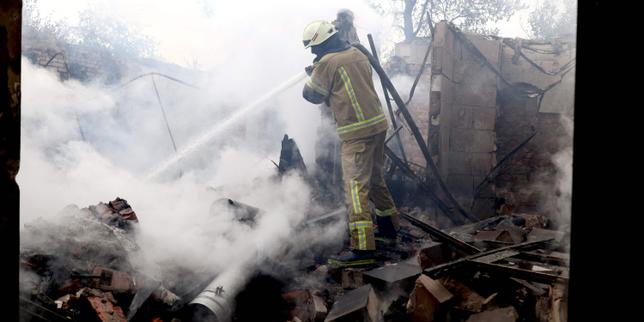
A massive force of 700 firefighters, supported by heavy water-bombing aircraft dispatched by the European Union from Cyprus and Sweden, is currently on the ground. The terrain is brutal. Deep valleys and steep, rocky inclines make manual firefighting nearly impossible in certain sectors.
The human cost is already mounting. At least one firefighter and one local resident are fighting for their lives in critical condition after suffering severe burns. Three other emergency responders have been treated for smoke inhalation and minor injuries. The local grid operator, Enedis, reported widespread power outages across several municipalities as flames tore through overhead lines, leaving thousands in the dark while trying to navigate smoke-filled evacuation routes.
Local authorities ordered the immediate, unconditional evacuation of 26 separate municipalities. Villages like Caixas, Castelnou, Camélas, Llauro, and Ille-sur-Têt are completely empty. Police officers and local mayors went door to door at 1:00 AM, waking up sleeping families and telling them to run.
The Extreme Weather Fueling the Fire
This disaster did not happen in a vacuum. It is direct payback for a punishing spring and early summer. The entire Occitanie region endured historic heatwaves throughout May and June, which essentially baked the moisture right out of the soil and vegetation.
When you combine a deeply parched ground with the Tramontane wind—a fierce, dry northwesterly wind that whips through the mountain passes of southwestern France—you get a literal powder keg. The wind has been clocking gusts up to 80 kilometers per hour, blowing burning embers hundreds of meters ahead of the main fire front and sparking fresh blazes before the primary wall of flame even arrives.
Western Europe is warming at more than twice the global average. We are seeing temperatures consistently pushing past 40 degrees Celsius in early July. The old fire playbook is useless because the season is starting a full month earlier than it did a couple of decades ago.
How the Fire Crippled the Tour de France
The scale of this emergency completely upended the third stage of the Tour de France. The 196-kilometer route, stretching from Granollers in Spain across the border into Les Angles, was supposed to be a celebration of the region's spectacular mountain scenery.
Instead, it turned into a logistical nightmare. The race course runs directly through the active fire zone and key evacuation paths. To keep the roads clear for incoming emergency vehicles and prevent massive crowds from getting trapped in a dead-end valley, local authorities made a drastic call. They banned spectators from the entire French leg of the stage.
The colorful advertising caravan that usually precedes the riders was completely scrapped. The motorcade of team vehicles was stripped down to a bare minimum. It is an unprecedented move for the sport, but a completely necessary one. A single bottleneck of fan RVs on those narrow mountain passes could have resulted in a mass casualty event.
The Reality of Moving Ten Thousand People Overnight
Evacuating 10,000 people in total darkness along winding mountain roads is an organizational miracle, but it was far from smooth. Terrified residents described scenes bordering on absolute panic.
Evacuation orders directed displaced families toward massive emergency assembly points set up in the towns of Thuir and Canohès. From there, regional authorities are shifting people into gymnasiums, school halls, and community centers hastily converted into temporary shelters.
The regional administration has issued a blunt, uncompromising directive on social media. Do not go back. People are actively trying to return to their homes to rescue pets, grab forgotten passports, or check on their properties. Local officials have warned that doing so is an existential threat to life. Unsanctioned vehicles on the roads block water tenders and bulldozer crews trying to cut containment lines. If you get stuck on a smoke-choked mountain road, no one can come save you.
Cross Border Chaos and the Spark That Started It All
The fire is not just France's problem. The border with Spain has become a shared combat zone against the flames. On the Spanish side, in Catalonia, the fire has already chewed through 2,200 hectares of land. Shockingly, 97 percent of that scorched earth lies within Les Gavarres, a strictly protected natural reserve known for its rich biodiversity.
While Catalan authorities have managed to stabilize their side of the perimeter, the origin of the Spanish outbreak highlights a frustrating reality. Most of these fires are completely preventable.
Spanish police arrested a contractor's employee who is suspected of sparking the blaze. What did they do? They were using an angle grinder right next to a dry, grass-lined roadside during a high-wind, high-heat alert. It takes a single rogue spark from a piece of construction equipment to vaporize thousands of acres of ancient forest.
Further south in Spain, the Castellón province is fighting its own independent wildfire inside the Sierra de Espadán national park, which has forced another 500 people from their homes. The entire Mediterranean rim is burning simultaneously, stretching regional emergency services to their absolute breaking point.
Critical Next Steps for Travelers and Locals in the Region
If you are currently in southern France, northern Spain, or planning to travel through the Pyrenees over the next few days, you need to abandon your itinerary and pivot immediately. This situation is volatile and deteriorating.
Monitor Real-Time Warnings and Ignore Rumors
Do not rely on regular travel apps or standard mapping software to tell you if a road is safe. They do not update fast enough during a dynamic wildfire event.
- Check Météo-France: Look at the official forest weather map (Météo des Forêts). Seven departments in the southeast are under a maximum red alert for fire risk, and 41 others are under an orange alert.
- Follow the Local Prefecture: The Préfecture des Pyrénées-Orientales updates its official social media accounts hourly. That is your source of truth for evacuation zones and open shelter locations.
- Keep Roads Clear: If you are an employer in the region, do not force your staff to travel to work. The local government has explicitly asked businesses to excuse absences for anyone residing in or near the 26 affected municipalities.
Pack an Emergency Go-Bag Immediately
If you are anywhere in an orange or red alert zone, do not wait for a knock on the door at 1:00 AM to start packing. Have a bag ready by the door right now.
- Documents and Essentials: Keep passports, rental car agreements, medical prescriptions, and insurance papers in a waterproof sleeve.
- Power and Communication: Charge every power bank you own. Widespread infrastructure damage means cell towers might go down, or your accommodation will lose power long before the flames arrive.
- Physical Protection: Pack sturdy shoes, long cotton pants, and long-sleeved shirts. Synthetic materials melt under intense heat. Keep a few N95 masks in your bag to filter out the heavy, ash-laden air.
The simple reality is that southwest France is facing a long, brutal summer. The emergency response teams are doing everything humanly possible, but the climate reality has outpaced traditional defenses. Stay informed, stay out of the way of emergency services, and leave the moment you are told to go.