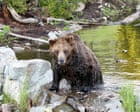
The remote wilderness of British Columbia's central coast has once again become the epicenter of a heartbreaking wildlife tragedy. One person is dead and another remains missing after a suspected grizzly bear attack along the Snooka West Trail near Bella Coola. Family members reported the pair missing after they failed to return, triggering an urgent multi-agency search that uncovered grim evidence of animal involvement.
When you look past the headlines, stories like this force a difficult conversation about shared spaces, wild predators, and the heavy reality of life inside the Great Bear Rainforest.
Unraveling the Incident on the Snooka West Trail
Details emerging from the BC Conservation Officer Service, local RCMP, and Search and Rescue teams point to a sudden, violent encounter. The victims—identified by family as 48-year-old Jennifer Balcarras and her 19-year-old daughter Selah Reed—went missing over the weekend, prompting fears when they didn't check back in. Search parties scouring the trail system found a scene that immediately pointed toward wildlife predation.
Officers have since closed down the entire trail network, urging locals and visitors to stay away while tracking and trapping operations get underway. It is a high-stakes protocol. Wildlife authorities must locate any animal involved, assess its behavior, and protect a community already shaken by previous encounters.
A Community Already Reeling from Conflict
This isn't an isolated shock for Bella Coola, a rugged fjord community of roughly 2,100 residents. Just last November, the region made international news when a grizzly emerged near a local walking trail and injured eleven people—including elementary school students and teachers—during a school group lunch break.
Nuxalk Nation Elected Chief Samuel Schooner spoke publicly about the profound psychological toll this new event takes on the community. When apex predators and human populations overlap so closely, fear takes root. People who grew up walking these woods suddenly look over their shoulders.
Living in grizzly country means accepting a baseline level of risk that urban dwellers rarely fathom. Bears are not malicious, but they are powerful, unpredictable animals driven by instinct, seasonal food stress, and territorial boundaries.
Why Human-Grizzly Encounters Happen
Most people assume bears hunt humans for food. That's almost never true. Fatal or predatory attacks usually stem from a few specific triggers:
- Surprise encounters: Stumbling onto a bear at close range, especially a mother with cubs or a bear on a fresh kill, triggers an immediate defensive reaction.
- Habituation: Bears that lose their natural fear of humans due to unsecured garbage, food scraps, or regular contact become bolder and more dangerous.
- Seasonal food stress: Changes in salmon runs, berry yields, or overall forage availability force bears to expand their foraging ranges closer to human settlements.
The Snooka West Trail sits in a landscape where human recreation corridors intersect directly with prime wilderness habitat. When you walk these paths, you are entering a zone where you are firmly at the bottom of the food chain.
Shifting From Fear to Practical Awareness
You can't eliminate the risk of running into a grizzly if you choose to hike, live, or work in British Columbia's interior and coastal rainforests. But you can change how you manage that risk. Carrying bear spray is non-negotiable, and you need it on your hip or chest rig—not buried deep inside a backpack where you can't reach it in three seconds.
Make noise in thick brush. Travel in groups. Pay attention to fresh sign like tracks, scat, and torn-up logs. If you spot a bear, give it plenty of room to escape. Back away slowly without running, because running triggers a predator's chase instinct faster than almost anything else.
The tragic loss in Bella Coola serves as a stark, painful reminder of the raw power of nature. Respect the woods, secure your attractants, and never take wild spaces for granted.